Topic on Forensic Microbiology LI Cheng-tao
The skin microbiome, characterized by its vast abundance, high diversity, pronounced individual specificity, and dynamic traceability, serves as a significant biological marker of the host. Its composition and variation are influenced by both the host’s physiological states and external environmental factors, exhibiting a close “mirror” relationship with host phenotypes. This unique “microbial fingerprint” not only expands the sources of forensic evidence but also offers new perspectives and opportunities for the advancement of forensic research and practice. This paper reviews the physiological and structural foundations underlying skin microbial diversity and the mechanisms that shape individual specificity, analyzes its unique advantages and technical approaches in forensic applications, outlines recent research progress, explores the future potential and major challenges of using skin microbiome markers in forensic science, and proposes practical recommendations.
Objective To explore the distribution characteristics of microbial communities in various rat tissues under different temperature conditions and their dynamic changes over the postmortem interval(PMI), and to analyze the effects of temperature and tissue type on microbial succession in cadavers. Methods A total of 96 rats were sacrificed by cervical dislocation and then placed under room temperature (20 ℃, n=48), high temperature (40 ℃, n=24), and low temperature (-20 ℃, n=24) conditions. Tissue samples from the diaphragm, lung, rectum, testis, and uterus were collected at various PMIs. Microbial community composition was analyzed using 16S rRNA high-throughput sequencing of the 16S rRNA gene V3-V4 regions. α-diversity, β-diversity, phylum- and genus-level species distributions, PMI-associated biomarkers analysis and species differential analysis were employed to systematically compare the effects of temperature and tissue type on microbial succession. Results Under room temperature, microbial diversity exhibited a nonlinear trend, initially increasing and then decreasing. High temperature condition accelerated microbial succession and resulted in a significant decrease in microbial diversity within 24 hours. Low temperature slowed the succession, maintaining relatively high diversity and stable species distribution. The rectal microbial community differed significantly from those in other tissues. The phylum Proteobacteria, especially the genus Proteus, showed a significant increase in relative abundance in various tissues after 48 hours at room temperature and 24 hours at high temperature. Conclusion The dynamic succession patterns of microbial communities in multiple tissues under different temperature conditions confirm the significant regulatory effect of temperature on microbial diversity and species distribution, providing an important basis for optimizing microbiome-based PMI estimation methods.
Objective To explore the potential wastewater microbiome analysis for detecting psychoactive substances by using full-length 16S rRNA gene sequencing with liquid chromatography - tandem mass spectrometry (LC-MS/MS). Methods LC-MS/MS was used to qualitatively detect psychoactive substances in 21 wastewater samples suspected to contain such compunds. Based on the results, the samples were categorized into two groups: a positive group (containing psychoactive substances) and a negative group (free of psychoactive substances). Subsequently, bacterial communities in all samples were analyzed using full-length 16S rRNA gene sequencing. This analysis characterized the species composition, α diversity (Shannon and Simpson indices), and β-diversity (PCoA and NMDS). Significantly different operational taxonomic units (OTUs) were screened using linear discriminant analysis effect size (LEfSe), and optimal OTU features were iteratively selected via recursive feature elimination (RFE). A random forest prediction model was built with these two OTU subsets as input features. Results The composition and structure of the bacterial communities showed marked differences between the two groups. The sample diversity in the positive group was higher than that in the negative group. The permutational ultivariate analysis of variance (PERMANOVA) revealed a statistically significant difference in β-diversity between the two groups. Random Forest models achieved a prediction accuracy of 83.3%, with areas under the ROC curve of 0.89 and 0.83, respectively. Conclusion Integrating wastewater bacterial community analysis with chemical analysis techniques may provide a more comprehensive approach for monitering the presence of psychoactive substances.
Objective To investigate the feasibility of diagnosing drowning by detecting plankton DNA in cardiac blood of cadavers recovered from water using real-time quantitative PCR (qPCR). Methods Cardiac blood samples were collected via precordial puncture from 32 drowned cadavers and 10 non-drowned cadavers. qPCR was employed to detect plankton (diatoms, cyanobacteria and Aeromonas) in the blood samples. Results Plankton DNA was detected in 17 drowning cadavers, while no plankton DNA was detected in the 10 non-drowned cadavers. Conclusion qPCR can detect plankton DNA in cardiac blood of most drowning cases. This method may have potential as an auxiliary tool in the diagnosis of drowning.
With advances in microbiome research and the continuous advancement of detection technologies, the application of microorganisms in forensic medicine has become increasingly widespread, covering areas such as individual identification, body fluid source inference, biogeographical analysis, postmortem interval estimation, and determination of the cause and location of death. However, due to the lack of a comprehensive standardized system, batch effects and inter-laboratory differences have led to low reproducibility of analysis results. This problem is particularly evident in low-quality forensic samples, which compromise the reliability and evidential value of forensic microbiological analyses. Therefore, based on domestic and international research progress and practical experience, this paper systematically summarizes and discusses the standardization of forensic microbiological analysis, aiming to improve the reliability of results and promote the standardization of forensic microbiological analysis.

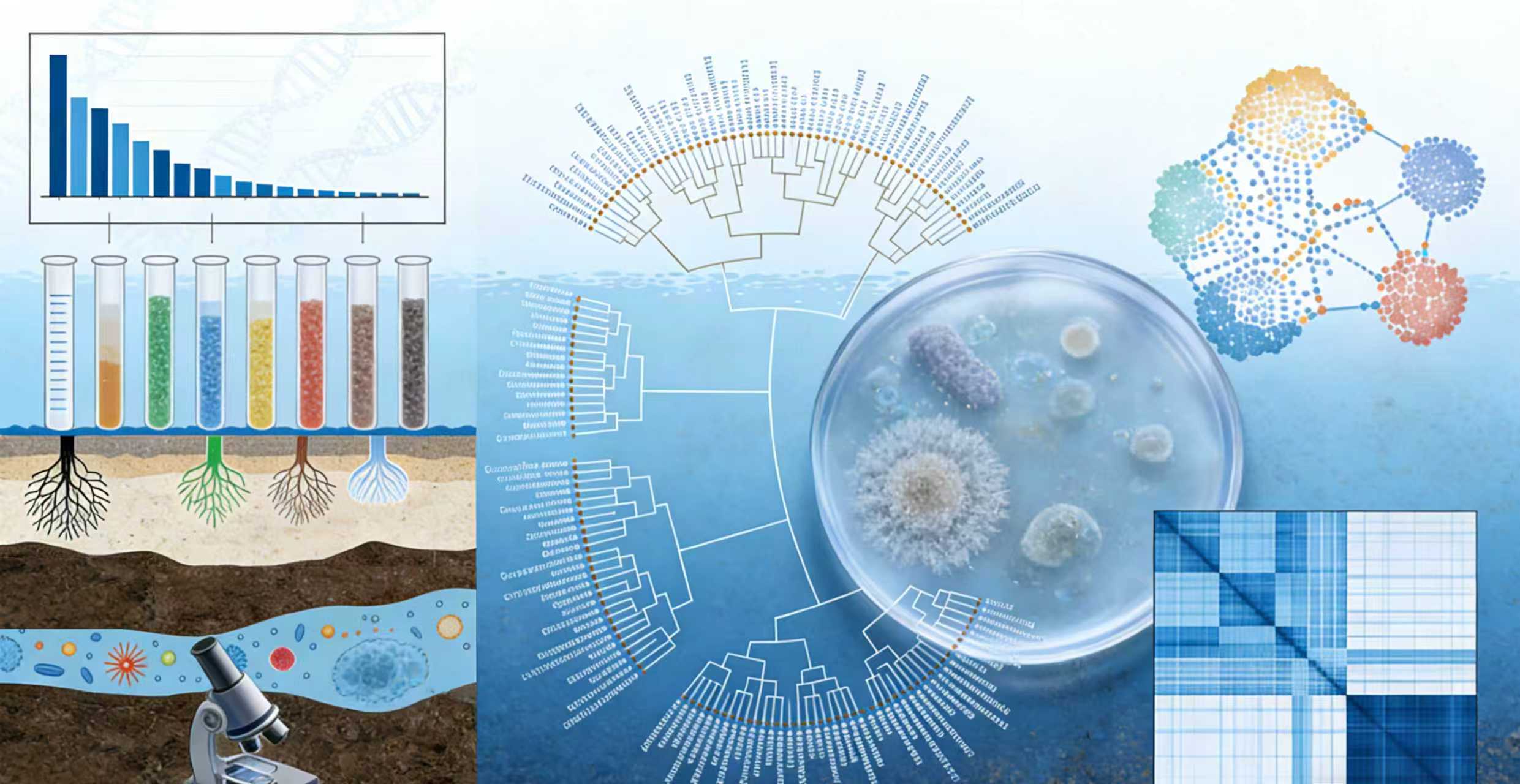 Topic on Forensic Microbiology
