
Journal of Forensic Medicine ›› 2025, Vol. 41 ›› Issue (5): 456-467.DOI: 10.12116/j.issn.1004-5619.2025.450404
Special Issue: 法医微生物学专题
• Topic on Microbiomics • Previous Articles Next Articles
Ji CHEN1( ), Yu-rong ZHAO2(), Xin HUANG1, Yi-ling QU1,3, Yan-fang LU1, Yu XING1,4, Han ZHANG1, Jian-ye ZENG1, Shi-lin LI1(), Su-hua ZHANG1()
Received:2025-04-02
Online:2026-01-27
Published:2025-10-25
Contact:
Shi-lin LI, Su-hua ZHANG
CLC Number:
Ji CHEN, Yu-rong ZHAO, Xin HUANG, Yi-ling QU, Yan-fang LU, Yu XING, Han ZHANG, Jian-ye ZENG, Shi-lin LI, Su-hua ZHANG. Effect of Temperature on Microbial Succession in Different Tissues of Cadavers and Estimation of Postmortem Interval[J]. Journal of Forensic Medicine, 2025, 41(5): 456-467.
Add to citation manager EndNote|Ris|BibTeX
URL: http://www.fyxzz.cn/EN/10.12116/j.issn.1004-5619.2025.450404
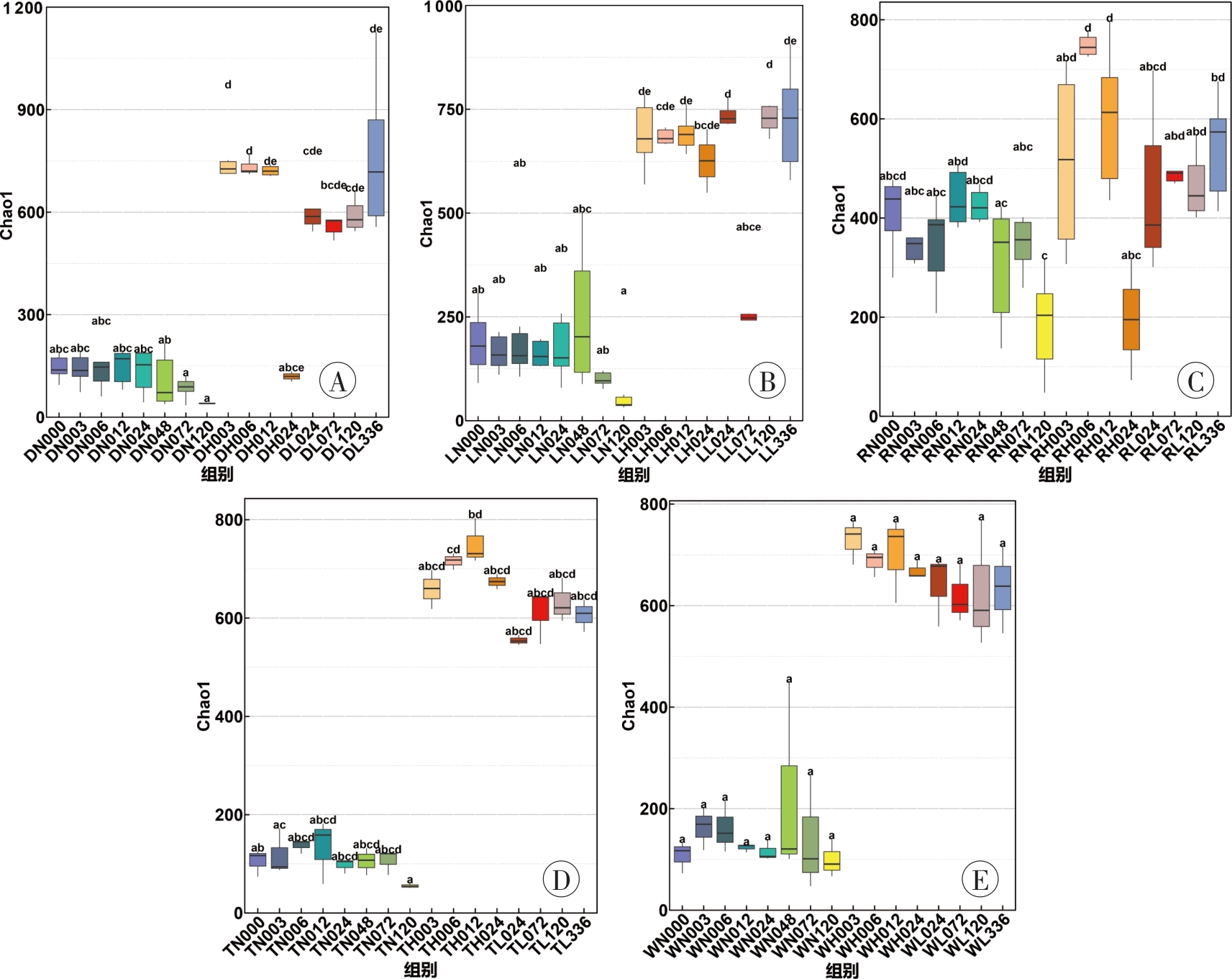
Fig. 1 Analysis results of α-diversity (Chao1 index)
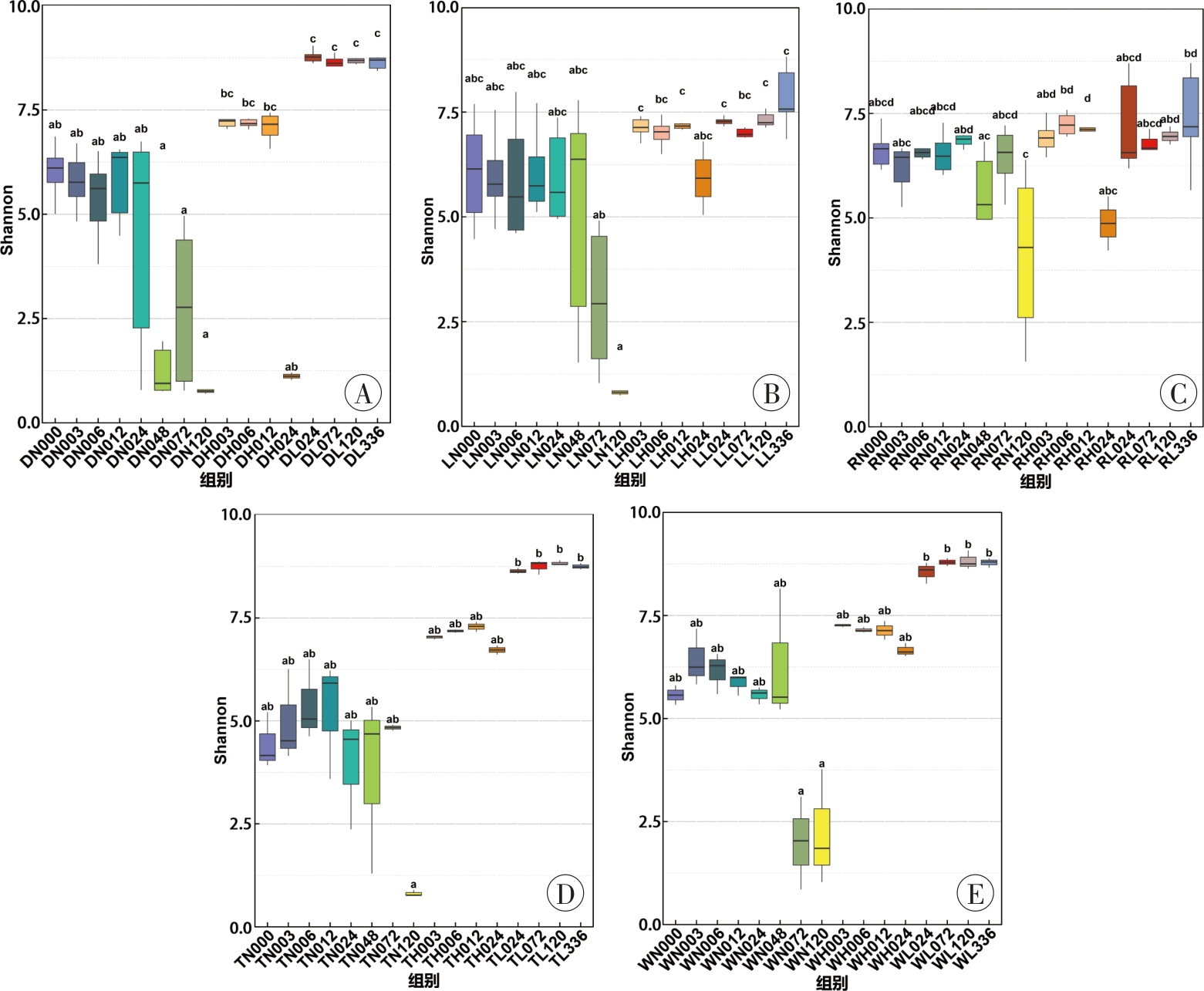
Fig. 2 Analysis results of α-diversity (Shannon index)
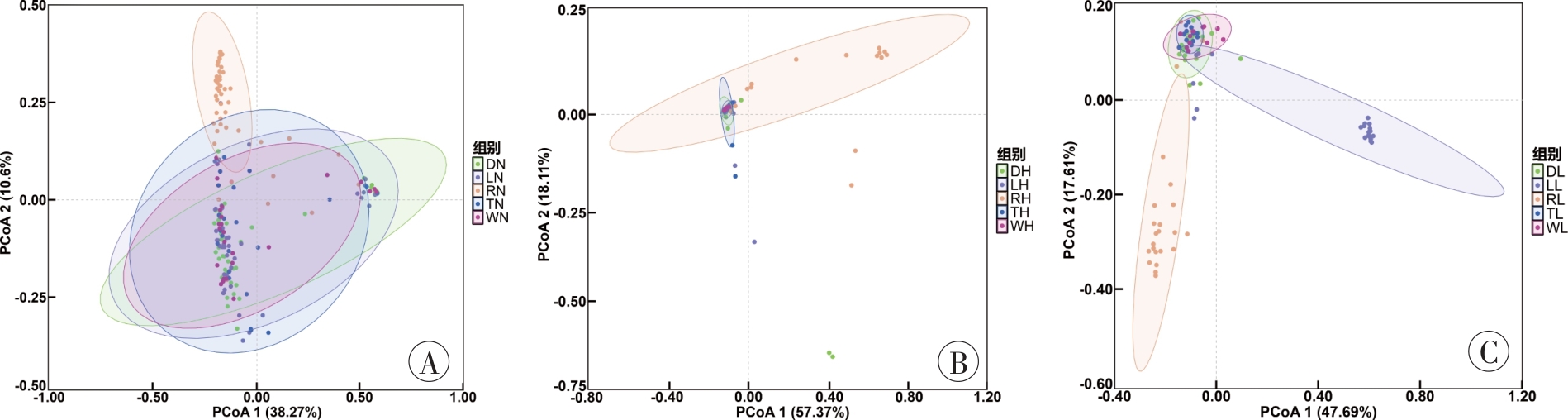
Fig. 3 PCoA of microbial species abundance across different tissues and temperature conditions
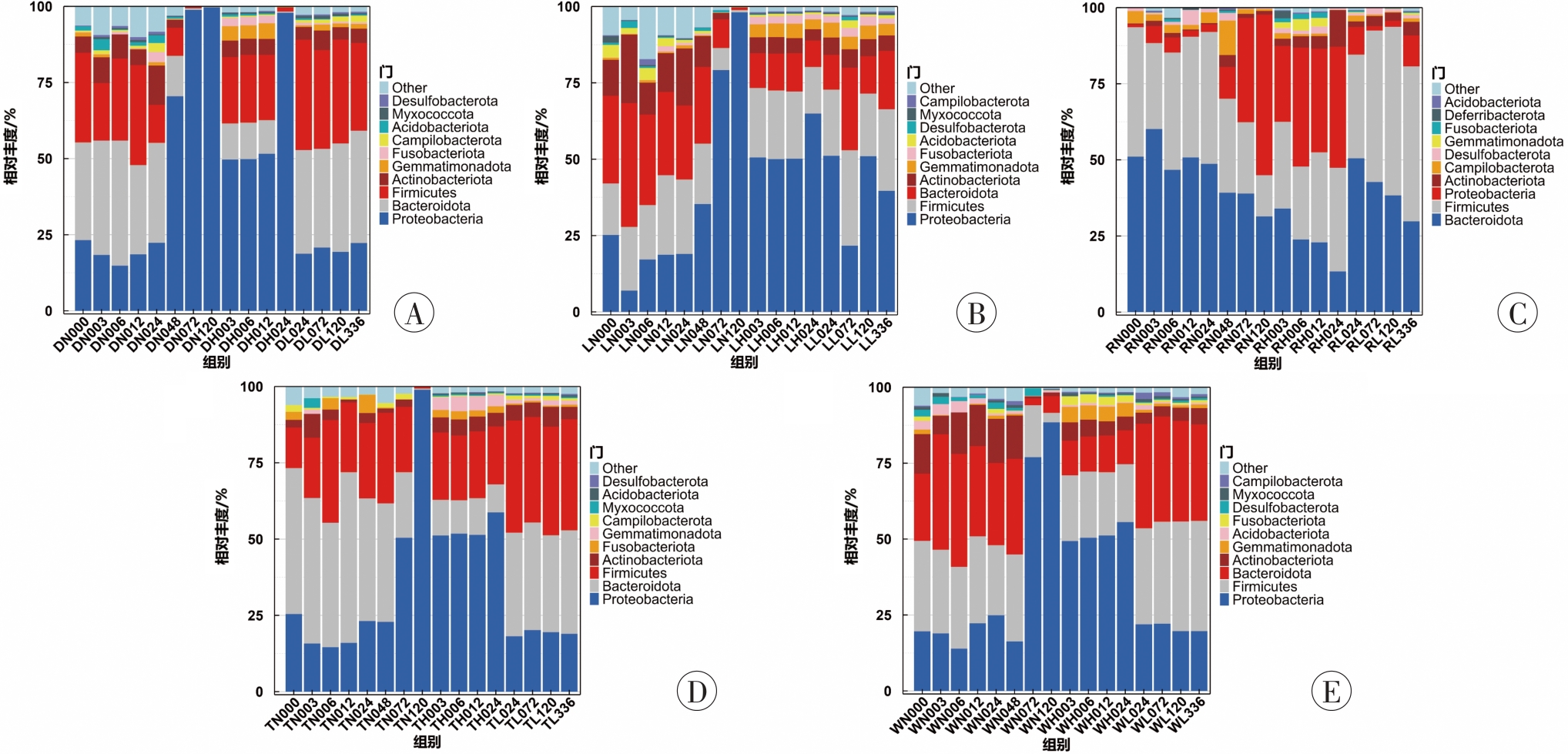
Fig. 4 Analysis of microbial community composition and relative abundance at the phylum level acrossdifferent tissues and temperatures
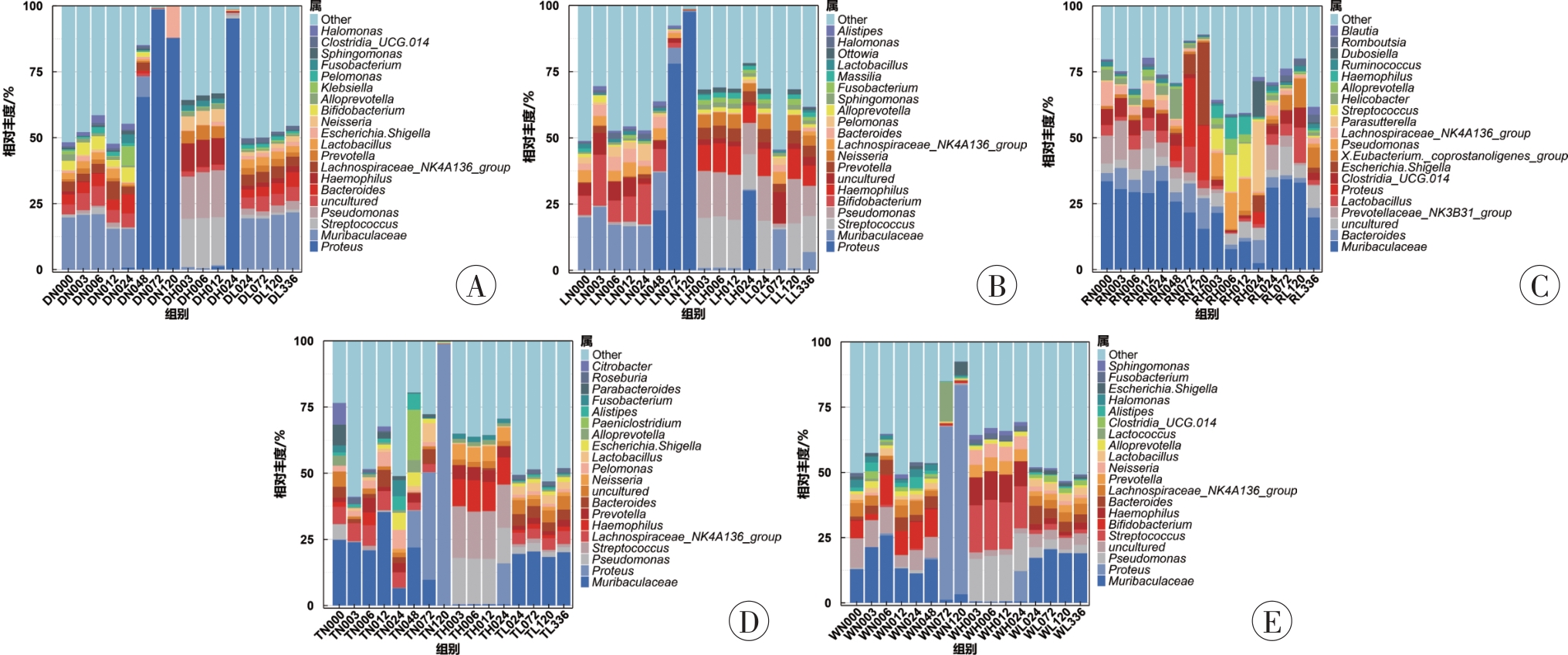
Fig. 5 Analysis of microbial community composition and relative abundance at the genus level acrossdifferent tissues and temperatures

Fig. 6 PMI-associated biomarkers in different groups (at the phylum level)
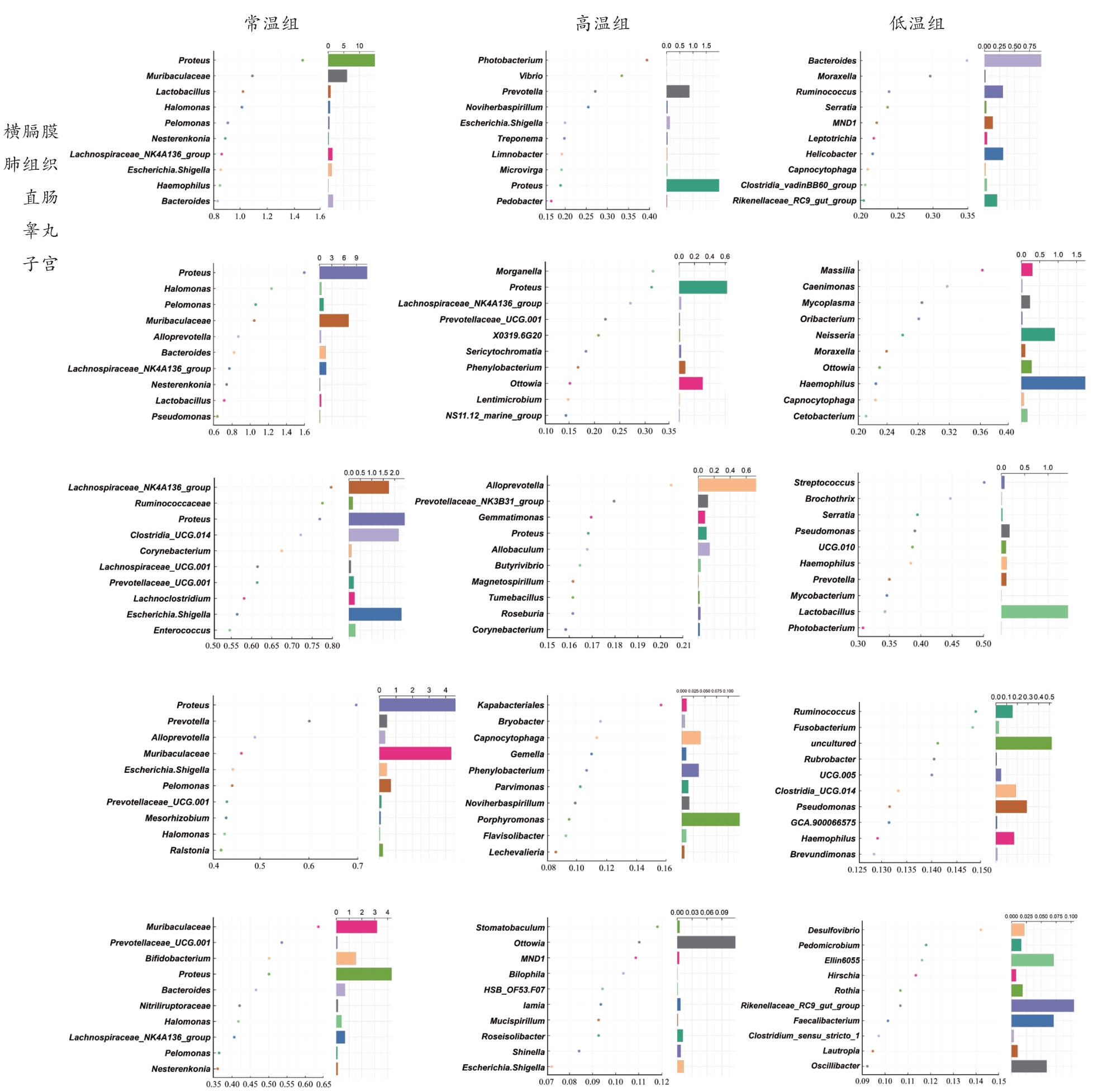
Fig. 7 PMI-associated biomarkers in different groups (at the genus level)
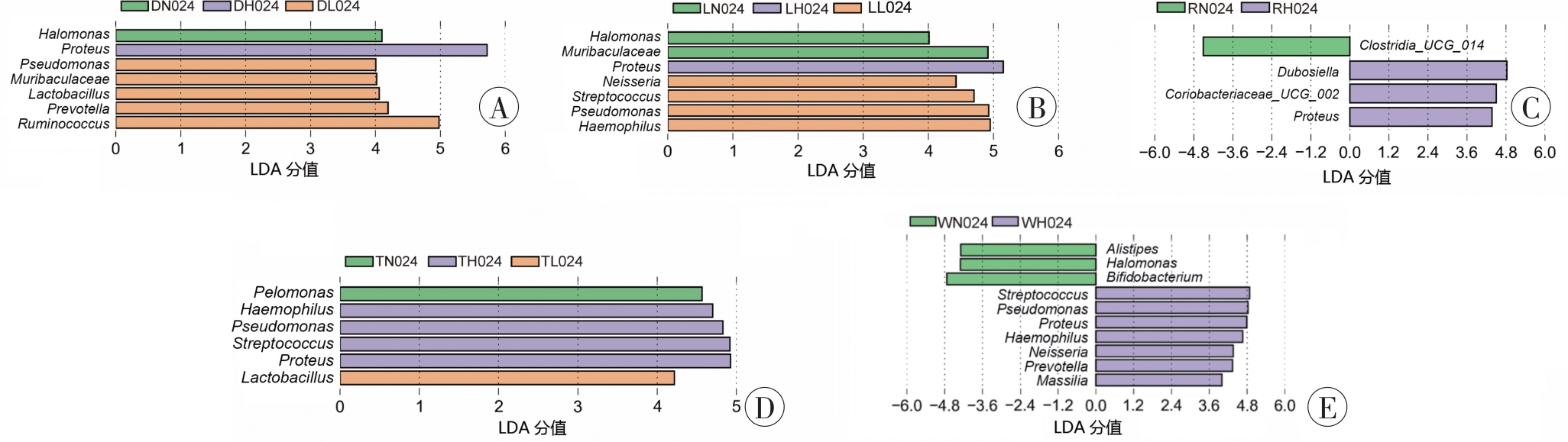
Fig. 8 Screening results of temperature-related differential species for different tissues (at the genus level)

Fig. 9 Screening results of tissue-related differential species under different temperature conditions (at the genus level)
| [1] | 丛斌. 法医病理学[M]. 5版. 北京:人民卫生出版社,2016:66. |
| CONG B. Forensic pathology[M]. 5th ed. Beijing:People’s Medical Publishing House,2016:66. | |
| [2] | 向青青,陈立方,苏秦,等. 微生物群落演替在死亡时间推断中的研究进展[J].法医学杂志,2023,39(4):399-405. doi:10.12116/j.issn.1004-5619.2022.420606 . |
| XIANG Q Q, CHEN L F, SU Q, et al. Research progress on microbial community succession in the postmortem interval estimation[J]. Fayixue Zazhi,2023,39(4):399-405. | |
| [3] | MATUSZEWSKI S. Post-mortem interval estimation based on insect evidence: Current challenges[J]. Insects,2021,12(4):314. doi:10.3390/insects12040314 . |
| [4] | SANGWAN A, SINGH S P, SINGH P, et al. Role of molecular techniques in PMI estimation: An update[J]. J Forensic Leg Med,2021,83:102251. doi:10.1016/j.jflm.2021.102251 . |
| [5] | TOZZO P, SCRIVANO S, SANAVIO M, et al. The role of DNA degradation in the estimation of post-mortem interval: A systematic review of the current literature[J]. Int J Mol Sci,2020,21(10):3540. doi:10.3390/ijms21103540 . |
| [6] | MAIESE A, SCATENA A, COSTANTINO A, et al. MicroRNAs as useful tools to estimate time since death. A systematic review of current literature[J]. Diagnostics(Basel),2021,11(1):64. doi:10.3390/diagnostics11010064 . |
| [7] | PENG D, LÜ M L, LI Z L, et al. Postmortem interval determination using mRNA markers and DNA normalization[J]. Int J Legal Med,2020,134(1):149-157. doi:10.1007/s00414-019-02199-7 . |
| [8] | SACCO M A, AQUILA I. Proteomics: A new research frontier in forensic pathology[J]. Int J Mol Sci,2023,24(13):10735. doi:10.3390/ijms241310735 . |
| [9] | HAAS C, NEUBAUER J, SALZMANN A P, et al. Forensic transcriptome analysis using massively parallel sequencing[J]. Forensic Sci Int Genet,2021,52:102486. doi:10.1016/j.fsigen.2021.102486 . |
| [10] | WANG Q, ZHANG Y M, LIN H C, et al. Estimation of the late postmortem interval using FTIR spectroscopy and chemometrics in human skeletal remains[J]. Forensic Sci Int,2017,281:113-120. doi:10. 1016/j.forsciint.2017.10.033 . |
| [11] | SCHMIDT V M, ZELGER P, WOESS C, et al. Application of micro-computed tomography for the estimation of the post-mortem interval of human skeletal remains[J]. Biology(Basel),2022,11(8):1105. doi:10.3390/biology11081105 . |
| [12] | METCALF J L, XU Z Z, BOUSLIMANI A, et al. Microbiome tools for forensic science[J]. Trends Biotechnol,2017,35(9):814-823. doi:10.1016/j.tibtech.2017.03.006 . |
| [13] | TOZZO P, AMICO I, DELICATI A, et al. Post-mortem interval and microbiome analysis through 16S rRNA analysis: A systematic review[J]. Diagnostics(Basel),2022,12(11):2641. doi:10.3390/diagnostics12112641 . |
| [14] | CLÁUDIA-FERREIRA A, BARBOSA D J, SAEGEMAN V, et al. The future is now: Unraveling the expanding potential of human (necro)microbiome in forensic investigations[J]. Microorganisms,2023,11(10):2509. doi:10.3390/microorganisms11102509 . |
| [15] | METCALF J L, XU Z Z, WEISS S, et al. Microbial community assembly and metabolic function during mammalian corpse decomposition[J]. Science,2016,351(6269):158-162. doi:10.1126/science.aad2646 . |
| [16] | JAVAN G T, FINLEY S J, CAN I, et al. Human thanatomicrobiome succession and time since death[J]. Sci Rep,2016,6:29598. doi:10.1038/srep 29598 . |
| [17] | DAVID L A, MATERNA A C, FRIEDMAN J, et al. Host lifestyle affects human microbiota on daily timescales[J]. Genome Biol,2014,15(7):R89. doi:10.1186/gb-2014-15-7-r89 . |
| [18] | HU L, XING Y, JIANG P, et al. Predicting the postmortem interval using human intestinal microbiome data and random forest algorithm[J]. Sci Justice,2021,61(5):516-527. doi:10.1016/j.scijus.2021. 06.006 . |
| [19] | IANCU L, DEAN D E, PURCAREA C. Temperature influence on prevailing necrophagous diptera and bacterial taxa with forensic implications for postmortem interval estimation: A review[J]. J Med Entomol,2018,55(6):1369-1379. doi:10.1093/jme/tjy136 . |
| [20] | TARONE A M, MANN A E, ZHANG Y, et al. The devil is in the details: Variable impacts of season, BMI, sampling site temperature, and presence of insects on the post-mortem microbiome[J]. Front Microbiol,2022,13:1064904. doi:10.3389/fmicb. 2022.1064904 . |
| [21] | VASS A A. Beyond the grave — Understanding human decomposition[J]. Microbiology Today,2001,28(1):190-192. |
| [22] | IANCU L, BONICELLI A, PROCOPIO N. Decomposition in an extreme cold environment and associated microbiome-prediction model implications for the postmortem interval estimation[J]. Front Microbiol,2024,15:1392716. doi:10.3389/fmicb.2024.13 92716 . |
| [23] | ZHAO X C, YANG F Q, YANG F, et al. Seasonal mouse cadaver microbial study: Rupture time and postmortem interval estimation model construction[J]. PeerJ,2024,12:e17932. doi:10.7717/peerj.17932 . |
| [24] | OGBANGA N, NELSON A, GINO S, et al. The impact of freezing on the post-mortem human microbiome[J]. Front Ecol Evol,2023,11:1151001. doi:10.3389/fevo.2023.1151001 . |
| [25] | CHEN J, WEI Q, YANG F, et al. Unveiling the forensic potential of oral and nasal microbiota in post-mortem interval estimation[J]. Int J Mol Sci,2025,26(7):3432. doi:10.3390/ijms26073432 . |
| [26] | WANG X X, LE C Y, JIN X Y, et al. Estimating postmortem interval based on oral microbial community succession in rat cadavers[J]. Heliyon,2024,10(11):e31897. doi:10.1016/j.heliyon.2024.e31897 . |
| [27] | 李欢,刘睿娜,张思若,等. 大鼠死后肠道菌群演替规律[J].法医学杂志,2018,34(5):482-486. doi:10.12116/j.issn.1004-5619.2018.05.005 . |
| LI H, LIU R N, ZHANG S R,et al. Succession law of intestinal flora after death in SD rats[J]. Fayixue Zazhi,2018,34(5):482-486. | |
| [28] | 曹洁,李文晋,王一飞,等. 基于16S rRNA高通量测序技术的肠道菌群多样性推断死亡时间[J].法医学杂志,2021,37(5):621-626. doi:10.12116/j.issn.1004-5619.2020.400708 . |
| CAO J, LI W J, WANG Y F, et al. Estimating postmortem interval using intestinal microbiota diversity based on 16S rRNA high-throughput sequencing technology[J]. Fayixue Zazhi,2021,37(5):621-626. | |
| [29] | HUANG X, ZENG J Y, LI S L, et al. 16S rRNA, metagenomics and 2bRAD-M sequencing to decode human thanatomicrobiome[J]. Sci Data,2024,11(1):736. doi:10.1038/s41597-024-03518-3 . |
| [30] | PAYNE J A. A summer carrion study of the baby pig Sus scrofa Linnaeus [J]. Ecology,1965,46(5):592-602. doi:10.2307/1934999 . |
| [31] | HYDE E R, HAARMANN D P, LYNNE A M, et al. The living dead: Bacterial community structure of a cadaver at the onset and end of the bloat stage of decomposition[J]. PLoS One,2013,8(10):e77733. doi:10.1371/journal.pone.0077733 . |
| [32] | PECHAL J L, CRIPPEN T L, BENBOW M E, et al. The potential use of bacterial community succession in forensics as described by high throughput metagenomic sequencing[J]. Int J Legal Med,2014,128(1):193-205. doi:10.1007/s00414-013-0872-1 . |
| [33] | CHIN J P, MEGAW J, MAGILL C L, et al. Solutes determine the temperature windows for microbial survival and growth[J]. Proc Natl Acad Sci U S A,2010,107(17):7835-7840. doi:10.1073/pnas.100055 7107 . |
| [34] | BURCHAM Z M, BELK A D, MCGIVERN B B, et al. A conserved interdomain microbial network underpins cadaver decomposition despite environmental variables[J]. Nat Microbiol,2024,9(3):595-613. doi:10.1038/s41564-023-01580-y . |
| [35] | HAUTHER K A, COBAUGH K L, JANTZ L M, et al. Estimating time since death from postmortem human gut microbial communities[J]. J Forensic Sci,2015,60(5):1234-1240. doi:10.1111/1556-4029. 12828 . |
| [36] | LAGKOUVARDOS I, LESKER T R, HITCH T C A, et al. Sequence and cultivation study of Muribaculaceae reveals novel species, host preference, and functional potential of this yet undescribed family[J]. Microbiome,2019,7(1):28. doi:10.1186/s40168-019-0637-2 . |
| [1] | Hou-ying ZOU, Yin-lei LEI, Ruo-cheng XIA, Yan SHI, Cheng-tao LI. Exploring Microbial Detection of Psychoactive Substances in Wastewater Based on Micobiome Analysis [J]. Journal of Forensic Medicine, 2025, 41(5): 468-476. |
| [2] | Han ZHANG, Xin HUANG, An-qi CHEN, Ji CHEN, Yan-fang LU, Jian-ye ZENG, Xiang WANG. Skin Microbiome: Expanding Dimensions and Challenges in Forensic Evidence [J]. Journal of Forensic Medicine, 2025, 41(5): 443-455. |
| [3] | Xiao-feng ZHANG, Lin CHEN, Xiao-hui CHEN, Jian ZHAO, Tian-chun LIN, Dang-en GU, Feng WANG, Zhi-yong LIU, Shi-yun MENG, Xing-yi YANG, Qu-yi XU. Diagnosis of Drowning by qPCR Detection of Plankton DNA in Cardiac Blood of Cadavers [J]. Journal of Forensic Medicine, 2025, 41(5): 477-481. |
| [4] | Zhi-yong LIU, Xing-chun ZHAO, Ling CHEN, Ri-ga WU, Mei-qing YUAN, Xiao-hui CHEN, Jian ZHAO, Qu-yi XU, Chang-hui LIU, Hong-yu SUN, Chao LIU. Recommendations for the Standardization of Forensic Microbiological Analysis [J]. Journal of Forensic Medicine, 2025, 41(5): 482-493. |
| [5] | Hao-jie QIN, Chen MO, Hong-wei LI, Zhi-jiang LIU, Zhe ZHENG. Role of Ferroptosis in Paraquat-Induced Acute Lung Injury in Mice [J]. Journal of Forensic Medicine, 2025, 41(5): 494-501. |
| [6] | Wen-yan LI, Jin-feng ZHAO, Wei-chen LIU, Shi-jing LÜ, Jia-xin ZHANG, Xu-dong ZHANG, Zhi-wen WEI, Ke-ming YUN, Chao ZHANG. Toxicokinetics of Chlorfenapyr and Its Metabolites in Rats [J]. Journal of Forensic Medicine, 2025, 41(4): 380-387. |
| [7] | Qian WANG, Song-min YANG, Juan-juan WU, Yu ZHANG, Xiang-meng WANG, Gang CHEN, Peng-fei JIANG. Temporal Expression of NETosis Marker CitH3 in Deep Vein Thrombosis in Mice [J]. Journal of Forensic Medicine, 2025, 41(3): 201-207. |
| [8] | Xiao-feng ZHANG, Qin SU, Xiao-hui CHEN, Wei-bin WU, Dong-yun ZHENG, Jian ZHAO, Ling CHEN, Qu-yi XU, Chao LIU. Comparison of Three Drowning‑related Plankton Testing Methods in Drowning Diagnosis [J]. Journal of Forensic Medicine, 2025, 41(3): 244-251. |
| [9] | Xuan-long CHEN, Qiang YUAN, Yong SUN, Die ZHANG, Jian-bin FU, Li-liang LI. Forensic Research Progress on Bongkrekic Acid Poisoning [J]. Journal of Forensic Medicine, 2025, 41(2): 111-119. |
| [10] | Shuai ZHANG, Hong-fei XU, Zhi-xiang ZHANG, Ying WANG, Shao-hua ZHU. Research on Doxorubicin-Induced Cardiotoxicity Mechanism and Its Forensic Application [J]. Journal of Forensic Medicine, 2025, 41(2): 120-126. |
| [11] | Yu-meng ZUO, Wei HAN, Jian-bo ZHANG, Tao LI. Molecular Mechanisms and Toxic Effects of Ketamine [J]. Journal of Forensic Medicine, 2025, 41(2): 127-135. |
| [12] | Rong-shuai WANG, Si-zhe HUANG, Yun-yun WANG, Yan-fei DENG, Zi-jiao DING, Jie ZHANG, Yong LIU, Liang REN, Liang LIU. The Mechanism of Calcium Handling Proteins and NF-κB in Calcium Dyshomeostasis of Cardiomyocytes Caused by Acute MDMA Exposure [J]. Journal of Forensic Medicine, 2025, 41(2): 144-151. |
| [13] | Hao-wei WANG, Xiao-xing ZHANG, Gen-meng YANG, Shang-wen WANG, Xiao-feng ZENG. The Role of Ferroptosis in Hepatocyte Injury Induced by α-Amanitin [J]. Journal of Forensic Medicine, 2025, 41(2): 152-159. |
| [14] | Ze-qi LI, Lei XING, Hui-ge ZHANG, Li-rou HE, Jia-yi ZHANG, Jia-qi WANG, Shi-hao LIU, Wei-hong YANG. Analysis of Methadone-Related Poisoning Cases [J]. Journal of Forensic Medicine, 2025, 41(2): 160-167. |
| [15] | Yu-hao YUAN, Zhong-hao YU, Jia-xin ZHANG, Long-da MA, Shu-quan ZHAO, Ning-guo LIU, Rong-qi WU, Biao ZHANG, Xin-biao LIAO, Xin CHEN, Guang-long HE, Yi-wu ZHOU. Recommendation for Forensic Identification Guidelines on Insulin Overdoes [J]. Journal of Forensic Medicine, 2025, 41(2): 168-175. |
| Viewed | ||||||
|
Full text |
|
|||||
|
Abstract |
|
|||||
