
Journal of Forensic Medicine ›› 2025, Vol. 41 ›› Issue (5): 468-476.DOI: 10.12116/j.issn.1004-5619.2025.550803
Special Issue: 法医微生物学专题
• Topic on Microbiomics • Previous Articles Next Articles
Hou-ying ZOU1( ), Yin-lei LEI2,3(), Ruo-cheng XIA2, Yan SHI2, Cheng-tao LI1,2,4()
Received:2025-08-18
Online:2026-01-27
Published:2025-10-25
Contact:
Cheng-tao LI
CLC Number:
Hou-ying ZOU, Yin-lei LEI, Ruo-cheng XIA, Yan SHI, Cheng-tao LI. Exploring Microbial Detection of Psychoactive Substances in Wastewater Based on Micobiome Analysis[J]. Journal of Forensic Medicine, 2025, 41(5): 468-476.
Add to citation manager EndNote|Ris|BibTeX
URL: http://www.fyxzz.cn/EN/10.12116/j.issn.1004-5619.2025.550803
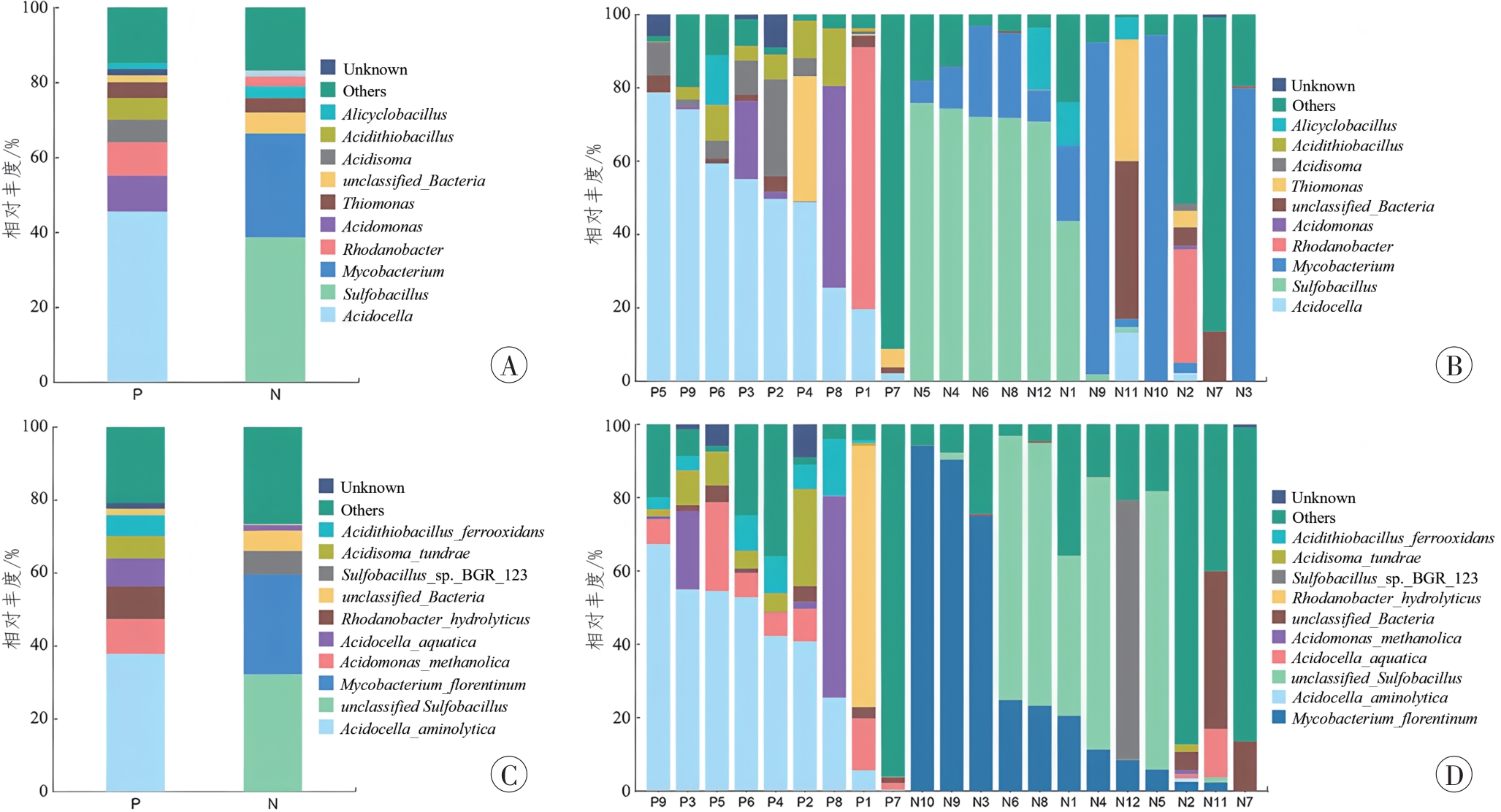
Fig. 1 The distribution of the top ten most abundant bacteria at the genus and species levels among groups and samples
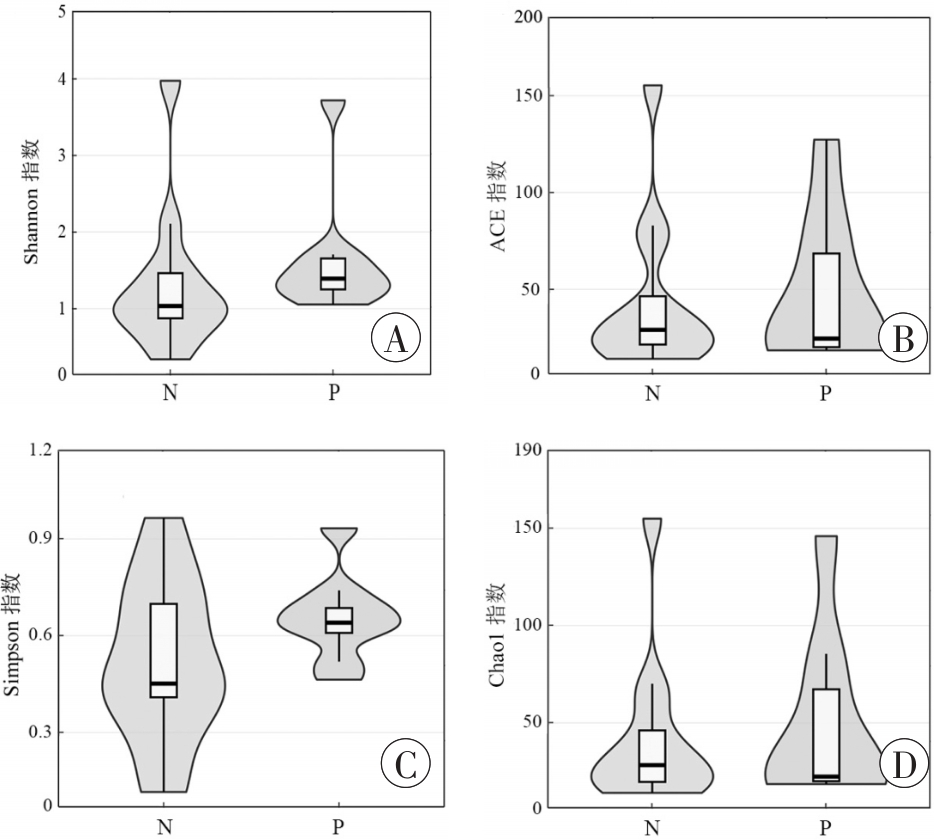
Fig. 2 Analysis results of α-diversity
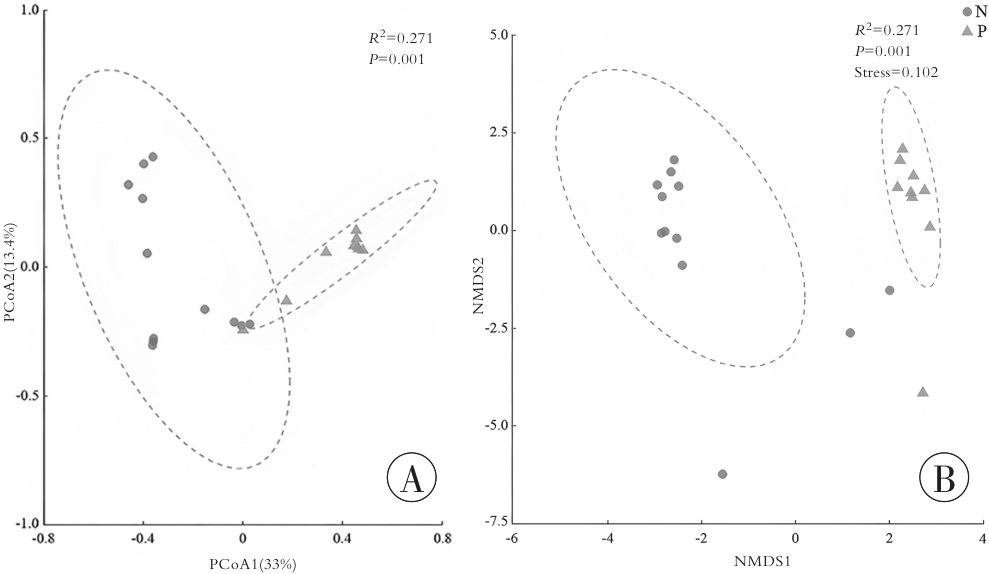
Fig. 3 The results of PCoA and NMDS analysis
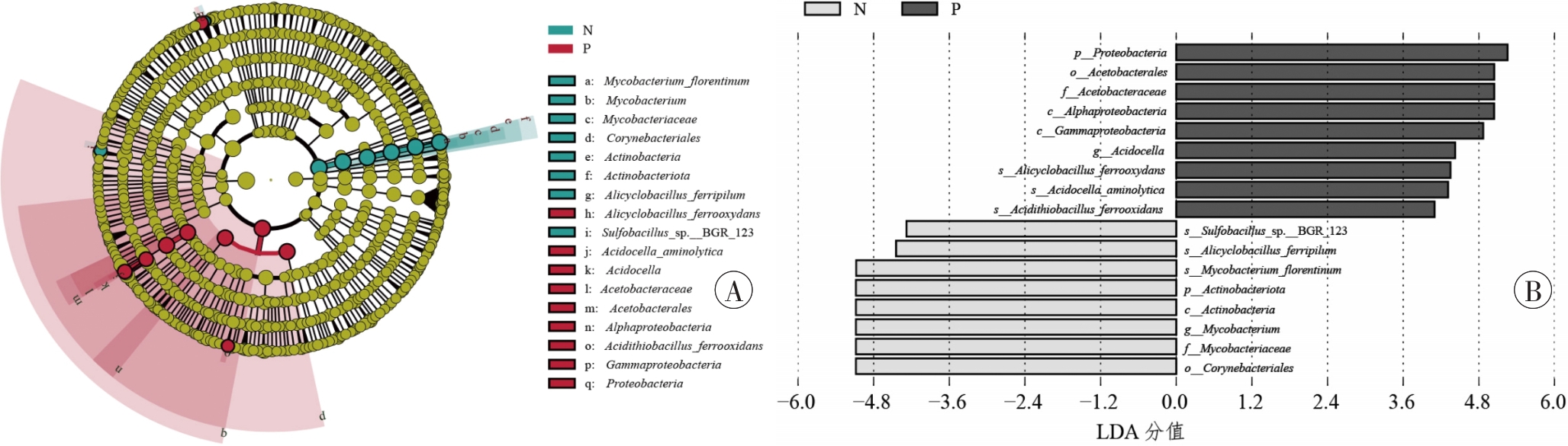
Fig. 4 The results of LEfSe analysis
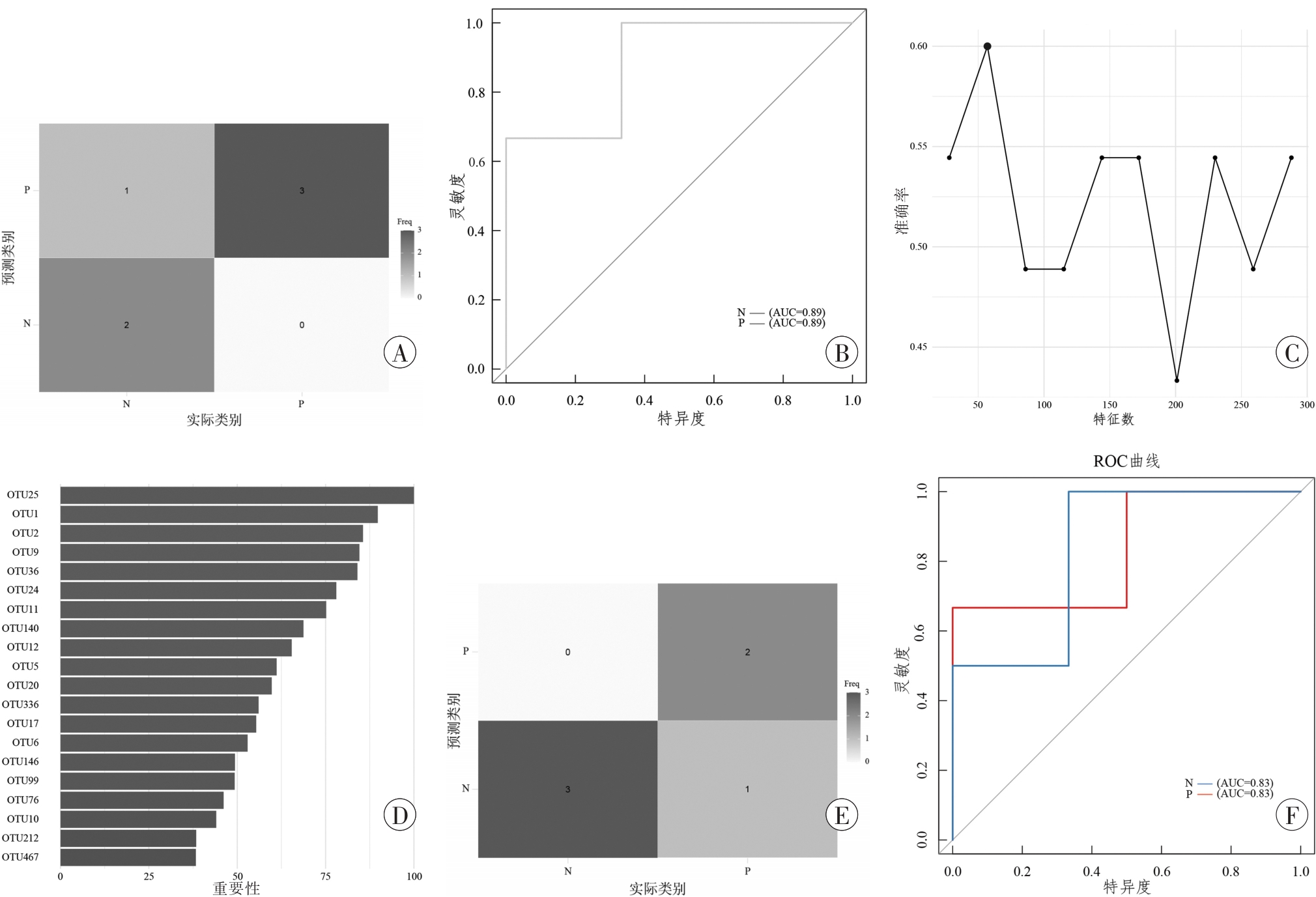
Fig. 5 The results of random forest model
| [1] | JIN H B, YANG D, WU P F, et al. Environmental occurrence and ecological risks of psychoactive substances[J]. Environ Int,2022,158:106970. doi:10.1016/j.envint.2021.106970 . |
| [2] | ZAAMI S, MARINELLI E, VARÌ M R. New trends of substance abuse during COVID-19 pandemic: An international perspective[J]. Front Psychiatry,2020,11:700. doi:10.3389/fpsyt.2020.00700 . |
| [3] | ŚWIĄTEK S, CZYRSKI A. Analytical methods for determining psychoactive substances in various matrices: A review[J]. Crit Rev Anal Chem,2024,18:1-27. doi:10.1080/10408347.2024.2388123 . |
| [4] | 中国国家禁毒委员会办公室. 2023年中国毒情形势报告[N].中国禁毒报,2024-06-28(3). |
| China National Narcotics Control Committee. China drug situation report 2023[N]. Zhongguo Jindu Bao,2024-06-28(3). | |
| [5] | MUSIAŁ J, CZARNY J, GADZAŁA-KOPCIUCH R. Overview of analytical methods for determining novel psychoactive substances, drugs and their metabolites in biological samples[J]. Crit Rev Toxicol,2022,52(3):239-258. doi:10.1080/10408444.2022. 2091424 . |
| [6] | BOROVA V L, MARAGOU N C, GAGO-FERRERO P, et al. Highly sensitive determination of 68 psychoactive pharmaceuticals, illicit drugs, and related human metabolites in wastewater by liquid chromatography-tandem mass spectrometry[J]. Anal Bioanal Chem,2014,406(17):4273-4285. doi:10. 1007/s00216-014-7819-3 . |
| [7] | BOROVA V L, GAGO-FERRERO P, PISTOS C, et al. Multi-residue determination of 10 selected new psychoactive substances in wastewater samples by liquid chromatography-tandem mass spectrometry[J]. Talanta,2015,144:592-603. doi:10.1016/j.talanta.2015. 06.080 . |
| [8] | CONG Z X, SHAO X T, LIU S Y, et al. Wastewater analysis reveals urban, suburban, and rural spatial patterns of illicit drug use in Dalian, China[J]. Environ Sci Pollut Res Int,2021,28(20):25503-25513. doi:10.1007/s11356-021-12371-5 . |
| [9] | TOMSONE L E, PERKONS I, SUKAJEVA V, et al. Consumption trends of pharmaceuticals and psychoactive drugs in Latvia determined by the analysis of wastewater[J]. Water Res,2022,221:118800. doi:10.1016/j.watres.2022.118800 . |
| [10] | SHAO X T, LIU S Y, ZHAO Y T, et al. Evaluation of eight psychoactive drugs used in Chinese cities by wastewater-based epidemiology[J]. Sci Total Environ,2023,855:158982. doi:10.1016/j.scitotenv. 2022.158982 . |
| [11] | CHAPPELL A, ARMSTRONG B, JAY E, et al. Illicit drug consumption estimated using wastewater analysis and compared by settlement size in New Zealand[J]. Sci Total Environ,2022,843:156956. doi:10.1016/j.scitotenv.2022.156956 . |
| [12] | GATIDOU G, KINYUA J, VAN NUIJS A L N, et al. Drugs of abuse and alcohol consumption among different groups of population on the Greek Island of Lesvos through sewage-based epidemiology[J]. Sci Total Environ,2016,563-564:633-640. doi:10.1016/j.scitotenv.2016.04.130 . |
| [13] | GONÇALVES R, RIBEIRO C, CRAVO S, et al. Multi-residue method for enantioseparation of psychoactive substances and beta blockers by gas chromatography-mass spectrometry[J]. J Chromatogr B Analyt Technol Biomed Life Sci,2019,1125:121731. doi:10.1016/j.jchromb.2019.121731 . |
| [14] | VEROVŠEK T, HEATH D, HEATH E. Enantiomeric profiling of amphetamines in wastewater using chiral derivatisation with gas chromatographic-tandem mass spectrometric detection[J]. Sci Total Environ,2022,835:155594. doi:10.1016/j.scitotenv. 2022.155594 . |
| [15] | 张婷婷,黄钰,张学军,等. 污水中甲基苯丙胺干扰物N-甲基-2-苯基丙胺的结构解析[J].法医学杂志,2022,38(6):726-732. doi:10.12116/j.issn.1004-5619.2022.320102 . |
| ZHANG T T, HUANG Y, ZHANG X J, et al. Structure analysis of the interfering substance N-methyl-2-phenylpropan-1-amine of methamphetamine in wastewater[J]. Fayixue Zazhi,2022,38(6):726-732. | |
| [16] | HIDALGO K J, SAITO T, SILVA R S, et al. Microbiome taxonomic and functional profiles of two domestic sewage treatment systems[J]. Biodegradation,2021,32(1):17-36. doi:10.1007/s10532-02 0-09921-y . |
| [17] | NEWTON R J, BOOTSMA M J, MORRISON H G, et al. A microbial signature approach to identify fecal pollution in the waters off an urbanized coast of Lake Michigan[J]. Microb Ecol,2013,65(4):1011-1023. doi:10.1007/s00248-013-0200-9 . |
| [18] | COLAS S, MARIE B, MORIN S, et al. New sensitive tools to characterize meta-metabolome response to short- and long-term cobalt exposure in dynamic river biofilm communities[J]. Sci Total Environ,2024,927:171851. doi:10.1016/j.scitotenv. 2024.171851 . |
| [19] | BERG J, BRANDT K K, AL-SOUD W A, et al. Selection for Cu-tolerant bacterial communities with altered composition, but unaltered richness, via long-term Cu exposure[J]. Appl Environ Microbiol,2012,78(20):7438-7446. doi:10.1128/AEM.01 071-12 . |
| [20] | PEREZ M F, SAONA L A, FARÍAS M E, et al. Assessment of the plasmidome of an extremophilic microbial community from the Diamante Lake, Argentina[J]. Sci Rep,2021,11(1):21459. doi:10.1038/s41598-021-00753-1 . |
| [21] | SENGUPTA P, MUTHAMILSELVI SIVABALAN S K, SINGH N K, et al. Genomic, functional, and metabolic enhancements in multidrug-resistant Enterobacter bugandensis facilitating its persistence and succession in the International Space Station[J]. Microbiome,2024,12(1):62. doi:10.1186/s40168-024-01777-1 . |
| [22] | YANG Y D, YU X, LIU X B, et al. Altered fecal microbiota composition in individuals who abuse methamphetamine[J]. Sci Rep,2021,11(1):18178. doi:10.1038/s41598-021-97548-1 . |
| [23] | WANG D W, FENG Y, YANG M, et al. Variations in the oral microbiome and metabolome of methamphetamine users[J]. mSystems,2024,9(1):e0099123. doi:10.1128/msystems.00991-23 . |
| [24] | EDGAR R C. UPARSE: Highly accurate OTU sequences from microbial amplicon reads[J]. Nat Methods,2013,10(10):996-998. doi:10.1038/nmeth.2604 . |
| [25] | BIJLSMA L, CELMA A, CASTIGLIONI S, et al. Monitoring psychoactive substance use at six European festivals through wastewater and pooled urine analysis[J]. Sci Total Environ,2020,725:138376. doi:10.1016/j.scitotenv.2020.138376 . |
| [26] | SULEJ-SUCHOMSKA A M, KLUPCZYNSKA A, DEREZIŃSKI P, et al. Urban wastewater analysis as an effective tool for monitoring illegal drugs, including new psychoactive substances, in the Eastern European region[J]. Sci Rep,2020,10(1):4885. doi:10.1038/s41598-020-61628-5 . |
| [27] | LANGA I, GONÇALVES R, TIRITAN M E, et al. Wastewater analysis of psychoactive drugs: Non-enantioselective vs enantioselective methods for estimation of consumption[J]. Forensic Sci Int,2021,325:110873. doi:10.1016/j.forsciint.2021.110873 . |
| [28] | HACKMANN T J. Setting new boundaries of 16S rRNA gene identity for prokaryotic taxonomy[J]. Int J Syst Evol Microbiol,2025,75(4):006747. doi:10.1099/ijsem.0.006747 . |
| [29] | KISHIMOTO N, KOSAKO Y, WAKAO N, et al. Transfer of Acidiphilium facilis and Acidiphilium aminolytica to the genus Acidocella gen. nov., and emendation of the genus Acidiphilium [J]. Syst Appl Microbiol,1995,18(1):85-91. doi:10.1016/S0723-2020(11)80453-4 . |
| [30] | OKAMOTO R, KOJIMA H, FUKUI M. Acidocella aquatica sp. nov., a novel acidophilic heterotrophic bacterium isolated from a freshwater lake[J]. Int J Syst Evol Microbiol,2017,67(11):4773-4776. doi: 10.1099/ijsem.0.002376 . |
| [31] | JONES R M, HEDRICH S, JOHNSON D B. Acidocella aromatica sp. nov.: An acidophilic heterotrophic alphaproteobacterium with unusual phenotypic traits[J]. Extremophiles,2013,17(5):841-850. doi:10.1007/s00792-013-0566-0 . |
| [32] | EZE M O. Metagenome analysis of a hydrocarbon-degrading bacterial consortium reveals the specific roles of BTEX biodegraders[J]. Genes(Basel),2021,12(1):98. doi:10.3390/genes12010098 . |
| [33] | GOLDBERG J S. Stereochemical basis for a unified structure activity theory of aromatic and heterocyclic rings in selected opioids and opioid peptides[J]. Perspect Medicin Chem,2010,4:1-10. doi:10.4137/pmc.s3898 . |
| [34] | PRATIWI R, NOVIANA E, FAUZIATI R, et al. A review of analytical methods for codeine determination[J]. Molecules,2021,26(4):800. doi:10.3390/molecules26040800 . |
| [35] | FELFÖLDI T, SZÉKELY A J, GORÁL R, et al. Polyphasic bacterial community analysis of an aerobic activated sludge removing phenols and thiocyanate from coke plant effluent[J]. Bioresour Technol,2010,101(10):3406-3414. doi:10.1016/j.biortech. 2009.12.053 . |
| [36] | LI J B, ZHANG D Y, SONG M K, et al. Novel bacteria capable of degrading phenanthrene in activated sludge revealed by stable-isotope probing coupled with high-throughput sequencing[J]. Biodegradation,2017,28(5/6):423-436. doi:10.1007/s105 32-017-9806-9 . |
| [37] | WU H Z, WANG M, ZHU S, et al. Structure and function of microbial community associated with phenol co-substrate in degradation of benzo[a]pyrene in coking wastewater[J]. Chemosphere,2019,228:128-138. doi:10.1016/j.chemosphere.2019.04.117 . |
| [38] | ABURTO-MEDINA A, SHAHSAVARI E, TAHA M, et al. The impacts of different biological treatments on the transformation of explosives waste contaminated sludge[J]. Molecules,2021,26(16):4814. doi:10.3390/molecules26164814 . |
| [39] | URAKAMI T, TAMAOKA J, SUZUKI K I, et al. Acidomonas gen. nov., incorporating Acetobacter methanolicus as Acidomonas methanolica comb. nov[J]. Int J Syst Bacteriol,1989,39(1):50-55. doi:10.1099/00207713-39-1-50 . |
| [40] | BOON N, WINDT W D, VERSTRAETE W, et al. Evaluation of nested PCR‒DGGE (denaturing gradient gel electrophoresis) with group-specific 16S rRNA primers for the analysis of bacterial communities from different wastewater treatment plants[J]. FEMS Microbiol Ecol,2002,39(2):101-112. doi:10.1111/j.1574-6941.2002.tb00911.x . |
| [41] | SUN J, HU S H, SHARMA K R, et al. Stratified microbial structure and activity in sulfide- and methane-producing anaerobic sewer biofilms[J]. Appl Environ Microbiol,2014,80(22):7042-7052. doi:10.1128/AEM.02146-14 . |
| [42] | DEL BUSSO ZAMPIERI B, NOGUEIRA E W, DE OLIVEIRA A J F C, et al. Effects of metals on activity and community of sulfate-reducing bacterial enrichments and the discovery of a new heavy metal-resistant SRB from Santos Port sediment (São Paulo, Brazil)[J]. Environ Sci Pollut Res Int,2022,29(1):922-935. doi:10.1007/s11356-021-15418-9 . |
| [43] | ZHANG Y, XU Z X, CHU W H, et al. Tracking the source of antibiotic resistome in the stormwater network drainage in the presence of sewage illicit connections[J]. Sci Total Environ,2024,912:168989. doi:10.1016/j.scitotenv.2023.168989 . |
| [44] | DUFRESNE S, BOUSQUET J, BOISSINOT M, et al. Sulfobacillus disulfidooxidans sp. nov., a new acidophilic, disulfide-oxidizing, gram-positive, spore-forming bacterium[J]. Int J Syst Bacteriol,1996,46(4):1056-1064. doi:10.1099/00207713-46-4-1056 . |
| [45] | DELGADO-BAQUERIZO M, MAESTRE F T, REICH P B, et al. Microbial diversity drives multifunctionality in terrestrial ecosystems[J]. Nat Commun,2016,7:10541. doi:10.1038/ncomms10541 . |
| [46] | LIANG X M, HAN X L, LIU C H, et al. Integrating the salivary microbiome in the forensic toolkit by 16S rRNA gene: Potential application in body fluid identification and biogeographic inference[J]. Int J Legal Med,2022,136(4):975-985. doi:10. 1007/s00414-022-02831-z . |
| [47] | LI L Y, CHING W K, LIU Z P. Robust biomarker screening from gene expression data by stable machine learning-recursive feature elimination methods[J]. Comput Biol Chem,2022,100:107747. doi:10.1016/j.compbiolchem.2022.107747 . |
| [1] | Guohua SHU. Practice and Prospect of Forensic Medicine Technology Transfer Under Policy Empowerment [J]. Journal of Forensic Medicine, 2026, 42(3): 191-195. |
| [2] | Xiaodan HE. Current Status Analysis and Pathway Exploration of the Technology Transfer in Forensic Medicine [J]. Journal of Forensic Medicine, 2026, 42(3): 196-206. |
| [3] | Qunyan LIU, Jinming YANG, Xiaoyu GUO. Strategies for Constructing a Technology Transfer System in Forensic Medicine Based on National Policies and Disciplinary Characteristics [J]. Journal of Forensic Medicine, 2026, 42(3): 207-214. |
| [4] | Jichao XU, Xiaohui CHEN, Qin SU, Dang’en GU, Tianchun LIN, Jianmiao ZHANG, Liang HAN, Ming CAI, Jian ZHAO, Quyi XU. Rapid Detection of Planktonic Microorganism DNA in Drowning: Technology Transfer and Application Implications [J]. Journal of Forensic Medicine, 2026, 42(3): 215-219. |
| [5] | Yunfeng ZHANG, Xinwei LIU, Linpei DONG, Xiaojun WU, Peng ZHAO, Jing RAN. Application of Portable Mass Spectrometry System in On-site Rapid Detection [J]. Journal of Forensic Medicine, 2026, 42(3): 224-231. |
| [6] | Lei TANG, Weihong XIE, Chengfei ZHUO, Chen XU, Huanhuan YAO, Xiaofei LI, Jianwei ZHANG, Yang LI, Jianbo YING. Development of a Fully Automated Blood Alcohol Analyzer and Its Application in Forensic Science [J]. Journal of Forensic Medicine, 2026, 42(3): 232-239. |
| [7] | Yawen XIAO, Yaoran YANG, Chongjun YANG, Yan SUN, Yue CHEN, Naihan HAN, Yuan MENG, Wenjun WANG, Qingshui REN, Jing ZHU, Tongshu ZHANG, Bing WANG, Liyan ZHANG. Application of Automatic Magnetic Solid-Phase Extraction Instrument in Toxic Substances and Illegal Drugs [J]. Journal of Forensic Medicine, 2026, 42(3): 240-246. |
| [8] | Mingjin YANG, Meiyun HE, Weian DU, Pengfei MEI, Xuelian CHENG, Xin LIU, Yuesen SHI, Hao JIN, Yiling HU, Meixin HE, Ling CHEN, Chao LIU. Enzyme Digestion LC-MS/MS Detection of Etomidate, Ketamine, Methamphe‑ tamine and Codeine in Hair [J]. Journal of Forensic Medicine, 2026, 42(3): 261-268. |
| [9] | Zheng QIAO, Hui YAN, Hang CHEN. Illegal Drug: Metonitazene [J]. Journal of Forensic Medicine, 2026, 42(3): 269-272. |
| [10] | Xiaotian YU. Common Problems and Recommendations for Manuscripts Submitted to Fayixue Zazhi [J]. Journal of Forensic Medicine, 2026, 42(3): 273-280. |
| [11] | Jianghong XIONG, Lifeng XU, Chaopeng YANG, Chengren ZHU, Dongbing PENG. Homicide Induced by Barium Chloride Poisoning: A Case Report [J]. Journal of Forensic Medicine, 2026, 42(3): 292-294. |
| [12] | Ruidi SHEN, Zhenhua QIAN. Research Progress on Mescaline and Its Analogues [J]. Journal of Forensic Medicine, 2026, 42(2): 151-158. |
| [13] | Yue LIU, Weiwei LIANG, Huanhui ZHU, Tianfu HE, Yuanyuan TIAN, Cong PENG, Songcai WANG. Detection of Chlormezanone in Blood Using HPLC-MS/MS Method [J]. Journal of Forensic Medicine, 2026, 42(2): 130-134. |
| [14] | Qingxia LIU, Di WEN, Shujin LI, Chunling MA, Bin CONG. Construction and Practice of the “Leading Goose Navigation and Four-Dimensional Synergy” Model for Cultivating Top Innovative Talents in Forensic Medicine [J]. Journal of Forensic Medicine, 2026, 42(2): 159-163. |
| [15] | Fangyu ZHAO, Dong GAO. Forensic Clinical Identification of Aortic Dissection Complicated with Delayed Intestinal Rupture: A Case Report [J]. Journal of Forensic Medicine, 2026, 42(2): 180-183. |
| Viewed | ||||||
|
Full text |
|
|||||
|
Abstract |
|
|||||
