法医学杂志 ›› 2026, Vol. 42 ›› Issue (3): 220-223.DOI: 10.12116/j.issn.1004-5619.2026.260405

• 技术与应用法医学科技成果转化专题 • 上一篇    下一篇

视觉诱发电位技术在法医临床鉴定领域的转化策略与路径

陈捷敏()   

  1. 司法鉴定科学研究院 上海市法医学重点实验室 司法部司法鉴定重点实验室 上海市司法鉴定专业技术服务平台,上海 200063
  • 收稿日期:2026-04-15 发布日期:2026-09-09 出版日期:2026-06-25
  • 作者简介:陈捷敏(1984—),女,研究员,主任法医师,主要从事法医临床鉴定和视觉功能、言语功能的客观评定方法研究;E-mail:chenjm@ssfjd.cn
  • 基金资助:
    司法鉴定科学研究院公益项目资助项目(GY2026G-3);上海市法医学重点实验室资助项目(21DZ2270800)

Strategies and Pathways for Transferring Visual Evoked Potential Technology into Forensic Clinical Identification

Jiemin CHEN()   

  1. Shanghai Key Laboratory of Forensic Medicine, Key Laboratory of Forensic Science, Ministry of Justice, Shanghai Forensic Service Platform, Academy of Forensic Science, Shanghai 200063, China
  • Received:2026-04-15 Online:2026-09-09 Published:2026-06-25

摘要:

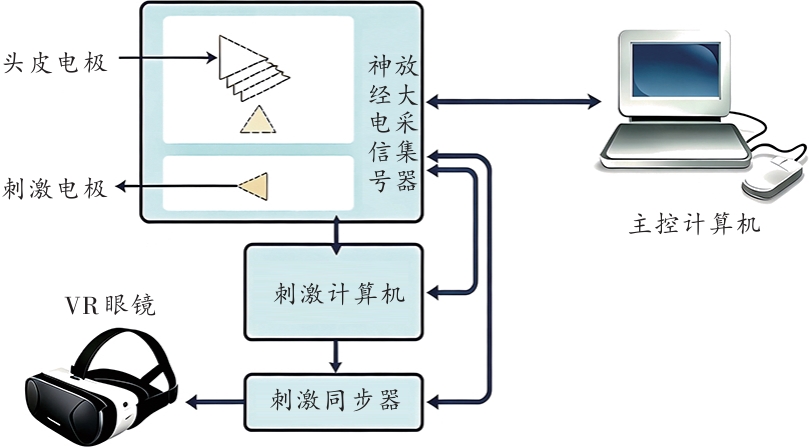
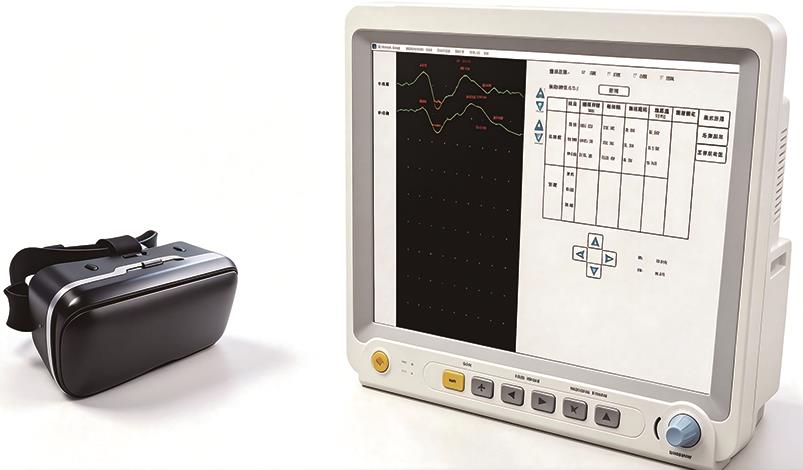
视觉诱发电位因能客观地反映视觉通路传导功能,被视为法医临床鉴定中实现视功能障碍评定的关键技术之一。然而,该类视觉电生理设备从临床医学场景“移植”至法医学鉴定场景时,仍未能完全解决伪装、夸大视觉功能障碍等鉴定中常面临的问题。本文系统梳理了视觉电生理设备在法医临床鉴定领域的应用现状与转化需求,研发了虚拟现实图形视觉诱发电位仪,将虚拟现实技术与视觉诱发电位技术创新结合,通过双眼同时不同步刺激模式,识别并预防伪装干扰,实现鉴定需求,并阐述了基于法医临床鉴定实践需求的技术创新路径。提出坚持问题导向、协同创新与标准建设是推动视觉诱发电位等视觉电生理设备从“临床诊疗”向“司法鉴定”场景成功转化的关键,为法医临床功能评定提供更科学、可靠的技术支撑。

关键词: 法医临床学, 科技成果转化, 电生理技术, 虚拟现实, 视觉诱发电位, 司法鉴定装备

Abstract:

Visual evoked potential (VEP) can objectively reflect the conductive function of the visual pathway, so it is considered as one of the core technologies for objective evaluation of visual function impairment in forensic clinical identification. However, when such visual electrophysiological devices are transferred from clinical medical scenarios to forensic identification scenarios, they still face common issues such as malingering and exaggeration of visual function impairment. This paper systematically reviews the current application status and translational needs of visual electrophysiological devices in forensic clinical practice and presents the development of a virtual reality-pattern visual evoked potential (VR-PVEP) instrument. By integrating virtual reality technology with VEP technology and adopting a binocular simultaneous but asynchronous stimulation mode, the device can identify and prevent visual malingering interference. This article further describes the pathway of technical innovation based on practical requirements in forensic clinical identification. It is proposed that problem-oriented approach, collaborative innovation and standard formulation are the keys to promoting the successful transfer of visual electrophysiological devices, such as VEP systems, from “clinical diagnosis and treatment” to “forensic identification” scenarios, thereby providing more scientific and reliable technical support for forensic clinical visual function impairment identification.

Key words: forensic clinical medicine, technology transfer, electrophysiological techniques, virtual rea-lity, visual evoked potential, forensic identification equipment

中图分类号: