
Journal of Forensic Medicine ›› 2025, Vol. 41 ›› Issue (6): 574-584.DOI: 10.12116/j.issn.1004-5619.2024.340310
• Original Articles • Previous Articles Next Articles
Qiong-ying ZHENG1,2( ), Xue-yi FENG3(), Hong-xiao DENG1, Jia-xin YU1,2, Wen-jia DUAN1, Zheng QIAO1, Xin WANG1, Wei LIU1, Ke-ming YUN2, Hang CHEN1, Ping XIANG1()
Received:2024-03-25
Online:2026-02-27
Published:2025-12-25
Contact:
Ping XIANG
CLC Number:
Qiong-ying ZHENG, Xue-yi FENG, Hong-xiao DENG, Jia-xin YU, Wen-jia DUAN, Zheng QIAO, Xin WANG, Wei LIU, Ke-ming YUN, Hang CHEN, Ping XIANG. Sources of Uncertainty and Influencing Factors in the Analysis of Volatile Components in Blood Using Headspace Gas Chromatography[J]. Journal of Forensic Medicine, 2025, 41(6): 574-584.
Add to citation manager EndNote|Ris|BibTeX
URL: http://www.fyxzz.cn/EN/10.12116/j.issn.1004-5619.2024.340310
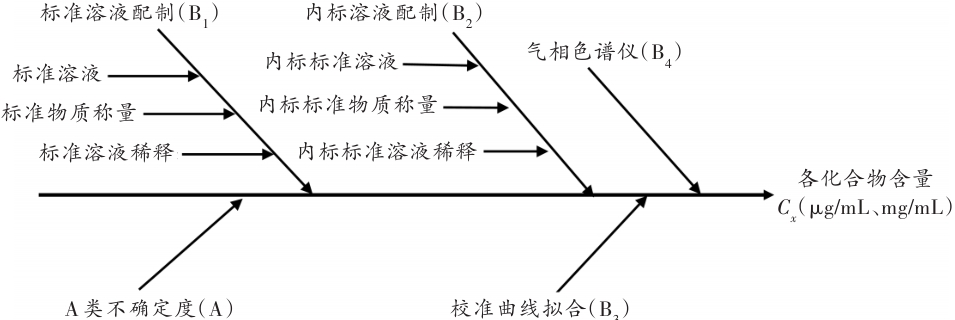
Fig. 1 Analysis diagram of uncertainty sources
| 成分 | 硬件条件1 | 硬件条件2 | 不同硬件条件间相对标准不确度差值的绝对值 | ||||
|---|---|---|---|---|---|---|---|
| 平均值1) | 标准不确定度1) | 相对标准不确定度 | 平均值1) | 标准不确定度1) | 相对标准不确定度 | ||
| 甲醇 | 0.788 | 3.73×10⁻³ | 4.73×10⁻³ | 0.796 | 3.72×10⁻³ | 4.68×10⁻³ | 5.00×10⁻⁵ |
| 乙醇 | 0.772 | 2.77×10⁻³ | 3.59×10⁻³ | 0.793 | 3.99×10⁻³ | 5.03×10⁻³ | 1.44×10⁻³ |
| 异丙醇 | 0.768 | 2.15×10⁻³ | 2.81×10⁻³ | 0.795 | 2.33×10⁻³ | 2.93×10⁻³ | 1.20×10⁻⁴ |
| 丙酮 | 0.790 | 2.60×10⁻³ | 3.29×10⁻³ | 0.791 | 4.11×10⁻³ | 5.20×10⁻³ | 1.91×10⁻³ |
| 正丙醇 | 0.778 | 3.26×10⁻³ | 4.19×10⁻³ | 0.794 | 3.96×10⁻³ | 4.99×10⁻³ | 8.00×10⁻⁴ |
| 异丁醇 | 0.775 | 2.78×10⁻³ | 3.58×10⁻³ | 0.796 | 7.38×10⁻³ | 9.28×10⁻³ | 5.70×10⁻³ |
| 正丁醇 | 0.783 | 3.37×10⁻³ | 4.30×10⁻³ | 0.790 | 5.58×10⁻³ | 7.06×10⁻³ | 2.76×10⁻³ |
| 苯 | 5.005 | 2.45×10⁻² | 4.89×10⁻³ | 4.927 | 2.40×10⁻³ | 4.87×10⁻³ | 2.00×10⁻⁵ |
| 甲苯 | 4.889 | 1.41×10⁻² | 2.88×10⁻³ | 4.903 | 2.17×10⁻² | 4.42×10⁻³ | 1.54×10⁻³ |
| 对二甲苯 | 4.893 | 3.20×10⁻² | 6.54×10⁻³ | 4.862 | 3.64×10⁻² | 7.50×10⁻³ | 9.60×10⁻⁴ |
| 间二甲苯 | 4.951 | 1.92×10⁻² | 3.88×10⁻³ | 4.922 | 1.97×10⁻² | 4.00×10⁻³ | 1.20×10⁻⁴ |
| 邻二甲苯 | 4.776 | 2.53×10⁻² | 5.30×10⁻³ | 4.839 | 1.77×10⁻² | 3.66×10⁻³ | 1.64×10⁻³ |
Tab. 1 The mean values of repeatability test, type A standard uncertainty andtype A relative standard uncertainty for 12 volatile components
| 成分 | 硬件条件1 | 硬件条件2 | 不同硬件条件间相对标准不确度差值的绝对值 | ||||
|---|---|---|---|---|---|---|---|
| 平均值1) | 标准不确定度1) | 相对标准不确定度 | 平均值1) | 标准不确定度1) | 相对标准不确定度 | ||
| 甲醇 | 0.788 | 3.73×10⁻³ | 4.73×10⁻³ | 0.796 | 3.72×10⁻³ | 4.68×10⁻³ | 5.00×10⁻⁵ |
| 乙醇 | 0.772 | 2.77×10⁻³ | 3.59×10⁻³ | 0.793 | 3.99×10⁻³ | 5.03×10⁻³ | 1.44×10⁻³ |
| 异丙醇 | 0.768 | 2.15×10⁻³ | 2.81×10⁻³ | 0.795 | 2.33×10⁻³ | 2.93×10⁻³ | 1.20×10⁻⁴ |
| 丙酮 | 0.790 | 2.60×10⁻³ | 3.29×10⁻³ | 0.791 | 4.11×10⁻³ | 5.20×10⁻³ | 1.91×10⁻³ |
| 正丙醇 | 0.778 | 3.26×10⁻³ | 4.19×10⁻³ | 0.794 | 3.96×10⁻³ | 4.99×10⁻³ | 8.00×10⁻⁴ |
| 异丁醇 | 0.775 | 2.78×10⁻³ | 3.58×10⁻³ | 0.796 | 7.38×10⁻³ | 9.28×10⁻³ | 5.70×10⁻³ |
| 正丁醇 | 0.783 | 3.37×10⁻³ | 4.30×10⁻³ | 0.790 | 5.58×10⁻³ | 7.06×10⁻³ | 2.76×10⁻³ |
| 苯 | 5.005 | 2.45×10⁻² | 4.89×10⁻³ | 4.927 | 2.40×10⁻³ | 4.87×10⁻³ | 2.00×10⁻⁵ |
| 甲苯 | 4.889 | 1.41×10⁻² | 2.88×10⁻³ | 4.903 | 2.17×10⁻² | 4.42×10⁻³ | 1.54×10⁻³ |
| 对二甲苯 | 4.893 | 3.20×10⁻² | 6.54×10⁻³ | 4.862 | 3.64×10⁻² | 7.50×10⁻³ | 9.60×10⁻⁴ |
| 间二甲苯 | 4.951 | 1.92×10⁻² | 3.88×10⁻³ | 4.922 | 1.97×10⁻² | 4.00×10⁻³ | 1.20×10⁻⁴ |
| 邻二甲苯 | 4.776 | 2.53×10⁻² | 5.30×10⁻³ | 4.839 | 1.77×10⁻² | 3.66×10⁻³ | 1.64×10⁻³ |
| 成分 | 相对标准不确定度 | 成分 | 相对标准不确定度 | 成分 | 相对标准不确定度 |
|---|---|---|---|---|---|
| 甲醇 | 2.99×10⁻³ | 正丙醇 | 2.50×10⁻³ | 甲苯 | 1.00×10⁻² |
| 乙醇 | 2.49×10⁻³ | 异丁醇 | 2.50×10⁻³ | 对二甲苯 | 2.50×10⁻³ |
| 异丙醇 | 3.00×10⁻³ | 正丁醇 | 2.50×10⁻³ | 间二甲苯 | 2.50×10⁻³ |
| 丙酮 | 3.00×10⁻³ | 苯 | 2.50×10⁻³ | 邻二甲苯 | 2.50×10⁻³ |
Tab. 2 The relative standard uncertainties introduced by the standard solutions of 12 volatile components
| 成分 | 相对标准不确定度 | 成分 | 相对标准不确定度 | 成分 | 相对标准不确定度 |
|---|---|---|---|---|---|
| 甲醇 | 2.99×10⁻³ | 正丙醇 | 2.50×10⁻³ | 甲苯 | 1.00×10⁻² |
| 乙醇 | 2.49×10⁻³ | 异丁醇 | 2.50×10⁻³ | 对二甲苯 | 2.50×10⁻³ |
| 异丙醇 | 3.00×10⁻³ | 正丁醇 | 2.50×10⁻³ | 间二甲苯 | 2.50×10⁻³ |
| 丙酮 | 3.00×10⁻³ | 苯 | 2.50×10⁻³ | 邻二甲苯 | 2.50×10⁻³ |
| 成分 | 相对合成标准不确定度 | 成分 | 相对合成标准不确定度 | 成分 | 相对合成标准不确定度 |
|---|---|---|---|---|---|
| 甲醇 | 5.89×10⁻³ | 正丙醇 | 5.65×10⁻³ | 甲苯 | 1.15×10⁻² |
| 乙醇 | 5.65×10⁻³ | 异丁醇 | 5.65×10⁻³ | 对二甲苯 | 6.34×10⁻³ |
| 异丙醇 | 5.90×10⁻³ | 正丁醇 | 5.65×10⁻³ | 间二甲苯 | 7.11×10⁻³ |
| 丙酮 | 5.90×10⁻³ | 苯 | 6.34×10⁻³ | 邻二甲苯 | 7.10×10⁻³ |
Tab. 3 The relative combined standard uncertainties introduced by the preparation ofmixed standard solutions for 12 volatile components
| 成分 | 相对合成标准不确定度 | 成分 | 相对合成标准不确定度 | 成分 | 相对合成标准不确定度 |
|---|---|---|---|---|---|
| 甲醇 | 5.89×10⁻³ | 正丙醇 | 5.65×10⁻³ | 甲苯 | 1.15×10⁻² |
| 乙醇 | 5.65×10⁻³ | 异丁醇 | 5.65×10⁻³ | 对二甲苯 | 6.34×10⁻³ |
| 异丙醇 | 5.90×10⁻³ | 正丁醇 | 5.65×10⁻³ | 间二甲苯 | 7.11×10⁻³ |
| 丙酮 | 5.90×10⁻³ | 苯 | 6.34×10⁻³ | 邻二甲苯 | 7.10×10⁻³ |
| 成分 | 硬件条件1 | 硬件条件2 | ||
|---|---|---|---|---|
| 标准不确定度1) | 相对标准不确定度 | 标准不确定度1) | 相对标准不确定度 | |
| 甲醇 | 1.46×10⁻² | 1.86×10⁻² | 1.94×10⁻² | 2.44×10⁻² |
| 乙醇 | 1.65×10⁻² | 2.14×10⁻² | 1.82×10⁻² | 2.30×10⁻² |
| 异丙醇 | 1.44×10⁻² | 1.88×10⁻² | 1.29×10⁻² | 1.63×10⁻² |
| 丙酮 | 1.15×10⁻² | 1.45×10⁻² | 1.49×10⁻² | 1.88×10⁻² |
| 正丙醇 | 1.92×10⁻² | 2.47×10⁻² | 1.28×10⁻² | 1.61×10⁻² |
| 异丁醇 | 1.44×10⁻² | 1.86×10⁻² | 1.74×10⁻² | 2.19×10⁻² |
| 正丁醇 | 1.24×10⁻² | 1.59×10⁻² | 1.56×10⁻² | 1.97×10⁻² |
| 苯 | 7.71×10⁻² | 1.54×10⁻² | 8.33×10⁻² | 1.69×10⁻² |
| 甲苯 | 1.00×10⁻¹ | 2.05×10⁻² | 9.36×10⁻² | 1.91×10⁻² |
| 对二甲苯 | 1.19×10⁻¹ | 2.43×10⁻² | 8.61×10⁻² | 1.77×10⁻² |
| 间二甲苯 | 8.02×10⁻² | 1.62×10⁻² | 9.60×10⁻² | 1.95×10⁻² |
| 邻二甲苯 | 9.12×10⁻² | 1.91×10⁻² | 1.16×10⁻² | 2.39×10⁻² |
Tab. 4 The standard uncertainties and relative standard uncertainties introduced by calibration curve fitting
| 成分 | 硬件条件1 | 硬件条件2 | ||
|---|---|---|---|---|
| 标准不确定度1) | 相对标准不确定度 | 标准不确定度1) | 相对标准不确定度 | |
| 甲醇 | 1.46×10⁻² | 1.86×10⁻² | 1.94×10⁻² | 2.44×10⁻² |
| 乙醇 | 1.65×10⁻² | 2.14×10⁻² | 1.82×10⁻² | 2.30×10⁻² |
| 异丙醇 | 1.44×10⁻² | 1.88×10⁻² | 1.29×10⁻² | 1.63×10⁻² |
| 丙酮 | 1.15×10⁻² | 1.45×10⁻² | 1.49×10⁻² | 1.88×10⁻² |
| 正丙醇 | 1.92×10⁻² | 2.47×10⁻² | 1.28×10⁻² | 1.61×10⁻² |
| 异丁醇 | 1.44×10⁻² | 1.86×10⁻² | 1.74×10⁻² | 2.19×10⁻² |
| 正丁醇 | 1.24×10⁻² | 1.59×10⁻² | 1.56×10⁻² | 1.97×10⁻² |
| 苯 | 7.71×10⁻² | 1.54×10⁻² | 8.33×10⁻² | 1.69×10⁻² |
| 甲苯 | 1.00×10⁻¹ | 2.05×10⁻² | 9.36×10⁻² | 1.91×10⁻² |
| 对二甲苯 | 1.19×10⁻¹ | 2.43×10⁻² | 8.61×10⁻² | 1.77×10⁻² |
| 间二甲苯 | 8.02×10⁻² | 1.62×10⁻² | 9.60×10⁻² | 1.95×10⁻² |
| 邻二甲苯 | 9.12×10⁻² | 1.91×10⁻² | 1.16×10⁻² | 2.39×10⁻² |
| 成分 | 硬件条件1 | 硬件条件2 | 不同硬件条件间相对合成标准不确度差值的绝对值 |
|---|---|---|---|
| 甲醇 | 2.12×10⁻² | 2.65×10⁻² | 5.30×10⁻³ |
| 乙醇 | 2.35×10⁻² | 2.52×10⁻² | 1.70×10⁻³ |
| 异丙醇 | 2.11×10⁻² | 1.89×10⁻² | 2.20×10⁻³ |
| 丙酮 | 1.74×10⁻² | 2.15×10⁻² | 4.10×10⁻³ |
| 正丙醇 | 2.66×10⁻² | 1.91×10⁻² | 7.50×10⁻³ |
| 异丁醇 | 2.09×10⁻² | 2.54×10⁻² | 4.50×10⁻³ |
| 正丁醇 | 1.87×10⁻² | 2.28×10⁻² | 4.10×10⁻³ |
| 苯 | 1.87×10⁻² | 1.99×10⁻² | 1.20×10⁻³ |
| 甲苯 | 2.47×10⁻² | 2.38×10⁻² | 0.90×10⁻³ |
| 对二甲苯 | 2.69×10⁻² | 2.14×10⁻² | 5.50×10⁻³ |
| 间二甲苯 | 1.94×10⁻² | 3.07×10⁻² | 1.13×10⁻² |
| 邻二甲苯 | 2.22×10⁻² | 2.61×10⁻² | 3.90×10⁻³ |
Tab. 5 The relative combined standard uncertainties of 12 volatile components under two hardware conditions
| 成分 | 硬件条件1 | 硬件条件2 | 不同硬件条件间相对合成标准不确度差值的绝对值 |
|---|---|---|---|
| 甲醇 | 2.12×10⁻² | 2.65×10⁻² | 5.30×10⁻³ |
| 乙醇 | 2.35×10⁻² | 2.52×10⁻² | 1.70×10⁻³ |
| 异丙醇 | 2.11×10⁻² | 1.89×10⁻² | 2.20×10⁻³ |
| 丙酮 | 1.74×10⁻² | 2.15×10⁻² | 4.10×10⁻³ |
| 正丙醇 | 2.66×10⁻² | 1.91×10⁻² | 7.50×10⁻³ |
| 异丁醇 | 2.09×10⁻² | 2.54×10⁻² | 4.50×10⁻³ |
| 正丁醇 | 1.87×10⁻² | 2.28×10⁻² | 4.10×10⁻³ |
| 苯 | 1.87×10⁻² | 1.99×10⁻² | 1.20×10⁻³ |
| 甲苯 | 2.47×10⁻² | 2.38×10⁻² | 0.90×10⁻³ |
| 对二甲苯 | 2.69×10⁻² | 2.14×10⁻² | 5.50×10⁻³ |
| 间二甲苯 | 1.94×10⁻² | 3.07×10⁻² | 1.13×10⁻² |
| 邻二甲苯 | 2.22×10⁻² | 2.61×10⁻² | 3.90×10⁻³ |
| 样品 | 硬件条件1 | 硬件条件2 | ||||||
|---|---|---|---|---|---|---|---|---|
| 被检出的成分 | 扩展不确定度1) | 检测结果2)/ ( | 相对相差/ % | 被检出的成分 | 扩展不确定度1) | 检测结果2)/ ( | 相对相差/ % | |
| 1 | 乙醇 | 0.06 | 1.20±0.06 | 2.60 | 乙醇 | 0.06 | 1.20±0.06 | 2.50 |
| 2 | 乙醇 | 0.04 | 0.78±0.04 | 2.00 | 乙醇 | 0.04 | 0.79±0.04 | 2.20 |
| 3 | 甲醇 | 0.04 | 0.83±0.04 | 1.10 | 甲醇 | 0.05 | 0.87±0.05 | 3.10 |
| 乙醇 | 0.02 | 0.48±0.02 | 0.40 | 乙醇 | 0.03 | 0.52±0.03 | 1.70 | |
| 丙酮 | - | - | - | 丙酮 | - | - | - | |
| 4 | 甲醇 | 0.03 | 0.78±0.03 | 0.58 | 甲醇 | 0.04 | 0.83±0.04 | 2.80 |
| 乙醇 | 0.01 | 0.20±0.01 | 0.24 | 乙醇 | 0.01 | 0.24±0.01 | 0.16 | |
| 5 | 甲醇 | 0.01 | 0.30±0.01 | 0.34 | 甲醇 | 0.02 | 0.32±0.02 | 4.50 |
| 对二甲苯 | 1.10 | 20.10±1.10 | 3.50 | 对二甲苯 | 0.81 | 18.90±0.81 | 2.40 | |
| 间二甲苯3) | 3.40 | 87.10±3.40 | 0.15 | 间二甲苯3) | 5.30 | 86.50±5.30 | 1.10 | |
| 邻二甲苯 | 1.80 | 39.80±1.80 | 3.60 | 邻二甲苯 | 2.10 | 40.00±2.10 | 0.17 | |
| 二氯甲烷 | / | / | / | 二氯甲烷 | / | / | / | |
| 乙酸乙酯 | / | / | / | 乙酸乙酯 | / | / | / | |
Tab. 6 The test results of five samples under two hardware conditions
| 样品 | 硬件条件1 | 硬件条件2 | ||||||
|---|---|---|---|---|---|---|---|---|
| 被检出的成分 | 扩展不确定度1) | 检测结果2)/ ( | 相对相差/ % | 被检出的成分 | 扩展不确定度1) | 检测结果2)/ ( | 相对相差/ % | |
| 1 | 乙醇 | 0.06 | 1.20±0.06 | 2.60 | 乙醇 | 0.06 | 1.20±0.06 | 2.50 |
| 2 | 乙醇 | 0.04 | 0.78±0.04 | 2.00 | 乙醇 | 0.04 | 0.79±0.04 | 2.20 |
| 3 | 甲醇 | 0.04 | 0.83±0.04 | 1.10 | 甲醇 | 0.05 | 0.87±0.05 | 3.10 |
| 乙醇 | 0.02 | 0.48±0.02 | 0.40 | 乙醇 | 0.03 | 0.52±0.03 | 1.70 | |
| 丙酮 | - | - | - | 丙酮 | - | - | - | |
| 4 | 甲醇 | 0.03 | 0.78±0.03 | 0.58 | 甲醇 | 0.04 | 0.83±0.04 | 2.80 |
| 乙醇 | 0.01 | 0.20±0.01 | 0.24 | 乙醇 | 0.01 | 0.24±0.01 | 0.16 | |
| 5 | 甲醇 | 0.01 | 0.30±0.01 | 0.34 | 甲醇 | 0.02 | 0.32±0.02 | 4.50 |
| 对二甲苯 | 1.10 | 20.10±1.10 | 3.50 | 对二甲苯 | 0.81 | 18.90±0.81 | 2.40 | |
| 间二甲苯3) | 3.40 | 87.10±3.40 | 0.15 | 间二甲苯3) | 5.30 | 86.50±5.30 | 1.10 | |
| 邻二甲苯 | 1.80 | 39.80±1.80 | 3.60 | 邻二甲苯 | 2.10 | 40.00±2.10 | 0.17 | |
| 二氯甲烷 | / | / | / | 二氯甲烷 | / | / | / | |
| 乙酸乙酯 | / | / | / | 乙酸乙酯 | / | / | / | |
| [1] | International Organization for Standardization (ISO), International Electrotechnical Commission (IEC). General requirements for the competence of testing and calibration laboratories: [S]. (2017- 11-29)[2024-01-11]. . |
| [2] | GÜZEL B, CANLı O, MURAT HOCAOĞLU S. Method development and validation for accurate and sensitive determination of terpenes in bio-based (citrus) oils by single quadrupole gas chromatography-mass spectrometry (GC/MS)[J]. Microchem J,2023,191:108903. doi:10.1016/j.microc.2023.108903 . |
| [3] | 秦燕飞,孙建平,任艳文,等. 气相色谱-质谱法测定葡萄酒用软木塞中2,4,6-三氯苯甲醚的不确定度评定[J].中国酿造,2020,39(11):163-168. doi:10.11882/j.issn.0254-5071.2020.11.031 . |
| QIN Y F, SUN J P, REN Y W, et al. Uncertainty evaluation for the determination of 2, 4, 6-trichloroanisole in cork by GC-MS[J]. Zhongguo Niangzao,2020,39(11):163-168. | |
| [4] | 倪晓霞,王庆芬,刘晓玲,等. HS-GC内标曲线法测定碘酊中乙醇含量及其不确定度评估[J].解放军药学学报,2018,34(4):351-354,358. doi:10.3969/j.issn.1008-9926.2018.04.019 . |
| NI X X, WANG Q F, LIU X L, et al. Determination and uncertainty evaluation of ethanol in iodine tincture by HS-GC[J]. Jiefangjun Yaoxue Xuebao,2018,34(4):351-354,358. | |
| [5] | 张丽芳,张亮,杜瑞焕,等. 气相色谱法测定蔬菜中农药残留量的测量不确定度评定[J].计量学报,2022,43(7):965-972. doi:10.3969/j.issn.1000-1158.2022.07.20 . |
| ZHANG L F, ZHANG L, DU R H, et al. Evaluation of measurement uncertainty in the determination of pesticides residues in vegetables by gas chromatography[J]. Jiliang Xuebao,2022,43(7):965-972. | |
| [6] | 臧慕文. 分析测试不确定度的评定与表示(Ⅱ)[J].分析试验室,2005,24(12):85-90. doi:10.3969/j.issn.1000-0720.2005.12.022 . |
| ZANG M W. Evaluation and expression of uncertainty for chemical analysis and measurement (Ⅱ)[J]. Fenxi Shiyanshi,2005,24(12):85-90. | |
| [7] | SATYANARAYANA G N V, DU J, ASATI A, et al. Estimation of measurement uncertainty for the quantitative analysis of pharmaceutical residues in river water using solid-phase extraction coupled with injector port silylation-gas chromatography-tandem mass spectrometry[J]. Microchem J,2020,159:105560. doi:10.1016/j.microc.2020.105560 . |
| [8] | 范巧成,范洁. 检测结果测量不确定度评定的简化途径和方法[J].理化检验(化学分册),2007,43(11):974-975. doi:10.3321/j.issn:1001-4020.2007.11.026 . |
| FAN Q C, FAN J. Simplification of the method of evaluation of uncertainty in measurements of testing results[J]. Lihua Jianyan (Huaxue fence),2007,43(11):974-975. | |
| [9] | KLU J K, OFFICER J A, PARK A, et al. Measurement uncertainty in quantifying delta-9-tetrahydrocannabinol (THC) in blood using SPE and LC/MS/MS[J]. Forensic Sci Int,2021,322:110744. doi:10.1016/j.forsciint.2021.110744 . |
| [10] | 刘腾飞,张丽,杨代凤,等. 气相色谱法测定茶鲜叶中4种有机磷农药残留量的不确定度分析[J].食品工业科技,2023,44(1):323-331. doi:10.13386/j.issn1002-0306.2022040006 . |
| LIU T F, ZHANG L, YANG D F, et al. Evaluation of uncertainty in determination of four organophosphorus pesticide residues in fresh tea leaves by gas chromatography[J]. Shipin Gongye Keji,2023, 44(1):323-331. | |
| [11] | 郑琼英,支瑜婕,段文佳,等. 顶空进样-双柱双检测器-气相色谱法分析人体血液中乙醇等12种挥发性化合物[J].色谱,2024,42(9):909-917. doi:10.3724/SP.J.1123.2023.12015 . |
| ZHENG Q Y, ZHI Y J, DUAN W J, et al. A headspace injection double-column dual-detector gas chromatography system for the analysis of 12 volatile compounds such as ethanol in human blood[J]. Sepu,2024,42(9):909-917. | |
| [12] | 国家质量监督检验检疫总局. 测量不确定度评定与表示: [S].北京:中国标准出版社,2012. |
| General Administration of Quality Supervision, Inspection and Quarantine of the People’s Republic of China. Evaluation and expression of uncertainty in measurement: [S]. Beijing: Standards Press of China,2012. | |
| [13] | 邓自西. 气相色谱法和高效液相色谱法分析中不确定度的评定[J].色谱,2004,22(5):568. doi:10.3321/j.issn:1000-8713.2004.05.032 . |
| DENG Z X. Evaluation of uncertainties in gas chromatography and high performance liquid chromatography[J]. Sepu,2004,22(5):568. | |
| [14] | GUPTA N, NAYAK S K, DAS M, et al. Method validation with associated measurement of uncertainty for determination of pyrethroid in lanolin using gas chromatography-mass spectrometry[J]. Int J Mass Spectrom,2023,494:117152. doi:10.1016/j.ijms.2023.117152 . |
| [15] | COSKUN A, OOSTERHUIS W P. Statistical distributions commonly used in measurement uncertainty in laboratory medicine[J]. Biochem Med (Zagreb),2020,30(1):010101. doi:10.11613/BM.2020.010101 . |
| [16] | WESTGARD J O. Precision and accuracy: Concepts and assessment by method evaluation testing[J]. Crit Rev Clin Lab Sci,1981,13(4):283-330. doi:10. 3109/10408368109106450 . |
| [17] | KUMAR J F S. Quality control using Westgard Rules in blood analyzer diagnostics[J]. Int J Multidiscip Sci Manag,2025,2(2):30-37. doi:10.71141/30485037/V1I2P103 . |
| [18] | TAN H Q, LEW K S, KOH C W Y, et al. Denoising proton reference dosimetry spectrum using a large area ionization chamber — Physical basis and type A uncertainty[J]. Phys Med Biol,2025,70(2):025003. doi:10.1088/1361-6560/ada085 . |
| [19] | MEANGO R. Is the distribution of resolvable uncertainty Type I extreme value? A test for random coefficient models using choice probabilities[J/OL]. arXiv:2503.13901. (2025-03-18)[2025-06-10]. . |
| [20] | ROCA-GÓMEZ G, OSPINO-LÓPEZ U, PEDRAZA-YEPES C A, et al. Uncertainty analysis of a non-automatic weighing instrument from calibration data on scales according to the SIM guide[J]. Data Brief,2020,33:106436. doi:10.1016/j.dib.2020.106436 . |
| [21] | KORCZYNSKI M J, WARSZA Z L. A new instrument enriched by type A uncertainty evaluation[C]// Proceedings of the 16th IMEKO TC4 Symposium, Florence, Italy,2008. |
| [22] | BITTERA M, HALLON J, SZOLIK I, et al. Alternative approach leading to reduction in measurement instrument uncertainty of EMI measurement[J]. Meas Sci Rev,2023,23(2):64-71. doi:10.2478/msr-2023-0008 . |
| [23] | GEIST J, GAITAN M. Type B uncertainty analysis of gravity-based determinations of triaxial-accelerometer properties by simulation of measurement errors[J]. J Res Natl Inst Stand Technol,2022,126:126038. doi:10.6028/jres.126.038 . |
| [24] | ICHIKAWA S, MATSUMOTO T, NAKAMURA T, et al. Characterization of ancient pottery clay by XRF spectrometry — Sample preparation and calibration curve —[J]. Bunseki Kagaku,2020,69(9):427-438. doi:10.2116/bunsekikagaku.69.427 . |
| [25] | 暴海霞,韦恩泽,厉龙. 质量控制图在甲醛检测校准曲线建立中的应用[J].化学世界,2020,61(8):574-579. doi:10.19500/j.cnki.0367-6358.20190401 . |
| BAO H X, WEI E Z, LI L. The application of quality control chart in the establishment process of calibration curve of formaldehyde detection[J]. Hua-xue Shijie,2020,61(8):574-579. | |
| [26] | AAFS Standards Board. Standard for evaluation of measurement uncertainty in forensic toxicology: Standard 056[S/OL]. 2025. [2025-12-16]. |
| 056 _Std_e1.pdf. | |
| [27] | Organization of Scientific Area Committees for Forensic Science. Guidelines for performing alcohol calculations in forensic toxicology: OSAC 2020-S-0003 [S/OL]. 2021. [2025-12-16]. |
| lines%20for% 20 Performing%20Alcohol%20Calculations | |
| %20in% 20 Forensic%20Toxicology_Open%20Comment | |
| %20Version.pdf. | |
| [28] | Washington State Patrol Toxicology Laboratory Division. Testing quality assurance manual[Z/OL]. (2023-07-17)[2025-12-16]. . |
| [1] | Guohua SHU. Practice and Prospect of Forensic Medicine Technology Transfer Under Policy Empowerment [J]. Journal of Forensic Medicine, 2026, 42(3): 191-195. |
| [2] | Xiaodan HE. Current Status Analysis and Pathway Exploration of the Technology Transfer in Forensic Medicine [J]. Journal of Forensic Medicine, 2026, 42(3): 196-206. |
| [3] | Qunyan LIU, Jinming YANG, Xiaoyu GUO. Strategies for Constructing a Technology Transfer System in Forensic Medicine Based on National Policies and Disciplinary Characteristics [J]. Journal of Forensic Medicine, 2026, 42(3): 207-214. |
| [4] | Jichao XU, Xiaohui CHEN, Qin SU, Dang’en GU, Tianchun LIN, Jianmiao ZHANG, Liang HAN, Ming CAI, Jian ZHAO, Quyi XU. Rapid Detection of Planktonic Microorganism DNA in Drowning: Technology Transfer and Application Implications [J]. Journal of Forensic Medicine, 2026, 42(3): 215-219. |
| [5] | Yunfeng ZHANG, Xinwei LIU, Linpei DONG, Xiaojun WU, Peng ZHAO, Jing RAN. Application of Portable Mass Spectrometry System in On-site Rapid Detection [J]. Journal of Forensic Medicine, 2026, 42(3): 224-231. |
| [6] | Lei TANG, Weihong XIE, Chengfei ZHUO, Chen XU, Huanhuan YAO, Xiaofei LI, Jianwei ZHANG, Yang LI, Jianbo YING. Development of a Fully Automated Blood Alcohol Analyzer and Its Application in Forensic Science [J]. Journal of Forensic Medicine, 2026, 42(3): 232-239. |
| [7] | Yawen XIAO, Yaoran YANG, Chongjun YANG, Yan SUN, Yue CHEN, Naihan HAN, Yuan MENG, Wenjun WANG, Qingshui REN, Jing ZHU, Tongshu ZHANG, Bing WANG, Liyan ZHANG. Application of Automatic Magnetic Solid-Phase Extraction Instrument in Toxic Substances and Illegal Drugs [J]. Journal of Forensic Medicine, 2026, 42(3): 240-246. |
| [8] | Mingjin YANG, Meiyun HE, Weian DU, Pengfei MEI, Xuelian CHENG, Xin LIU, Yuesen SHI, Hao JIN, Yiling HU, Meixin HE, Ling CHEN, Chao LIU. Enzyme Digestion LC-MS/MS Detection of Etomidate, Ketamine, Methamphe‑ tamine and Codeine in Hair [J]. Journal of Forensic Medicine, 2026, 42(3): 261-268. |
| [9] | Zheng QIAO, Hui YAN, Hang CHEN. Illegal Drug: Metonitazene [J]. Journal of Forensic Medicine, 2026, 42(3): 269-272. |
| [10] | Xiaotian YU. Common Problems and Recommendations for Manuscripts Submitted to Fayixue Zazhi [J]. Journal of Forensic Medicine, 2026, 42(3): 273-280. |
| [11] | Jianghong XIONG, Lifeng XU, Chaopeng YANG, Chengren ZHU, Dongbing PENG. Homicide Induced by Barium Chloride Poisoning: A Case Report [J]. Journal of Forensic Medicine, 2026, 42(3): 292-294. |
| [12] | Xi ZHAO, Xinli SHI, Guipeng WANG, Xin WANG, Junbo ZHAO, Min CHEN, Jianhua ZHANG. Homicide Followed by Suicide Due to the Abuse of New Psychoactive Substance 3-MeO-PCPy: A Case Report [J]. Journal of Forensic Medicine, 2026, 42(2): 177-179. |
| [13] | Ruidi SHEN, Zhenhua QIAN. Research Progress on Mescaline and Its Analogues [J]. Journal of Forensic Medicine, 2026, 42(2): 151-158. |
| [14] | Yue LIU, Weiwei LIANG, Huanhui ZHU, Tianfu HE, Yuanyuan TIAN, Cong PENG, Songcai WANG. Detection of Chlormezanone in Blood Using HPLC-MS/MS Method [J]. Journal of Forensic Medicine, 2026, 42(2): 130-134. |
| [15] | Qingxia LIU, Di WEN, Shujin LI, Chunling MA, Bin CONG. Construction and Practice of the “Leading Goose Navigation and Four-Dimensional Synergy” Model for Cultivating Top Innovative Talents in Forensic Medicine [J]. Journal of Forensic Medicine, 2026, 42(2): 159-163. |
| Viewed | ||||||
|
Full text |
|
|||||
|
Abstract |
|
|||||
